
AI usability
-
Enhanced LLM Council with Modern UI & Multi-AI Support
Read Full Article: Enhanced LLM Council with Modern UI & Multi-AI Support An enthusiast has enhanced Andrej Karpathy's LLM Council Open Source Project by adding several new features to improve usability and flexibility. The improvements include web search integration with providers like DuckDuckGo and Jina AI, a modern user interface with a settings page, and support for multiple AI APIs such as OpenAI and Google. Users can now customize system prompts, control council size, and compare up to eight models simultaneously, with options for peer rating and deliberation processes. These updates make the project more versatile and user-friendly, enabling a broader range of applications and model comparisons. Why this matters: Enhancements to open-source AI projects like LLM Council increase accessibility and functionality, allowing more users to leverage advanced AI tools for diverse applications.
-
MIRA Year-End Release: Enhanced Self-Model & HUD
Read Full Article: MIRA Year-End Release: Enhanced Self-Model & HUD The latest release of MIRA focuses on enhancing the application's self-awareness, time management, and contextual understanding. Key updates include a new Heads-Up Display (HUD) architecture that provides reminders and relevant memories to the model, improving its ability to track the passage of time between messages. Additionally, the release addresses the needs of offline users by ensuring reliable performance for self-hosted setups. The improvements reflect community feedback and aim to provide a more robust and user-friendly experience. This matters because it highlights the importance of user engagement in software development and the continuous evolution of AI tools to meet diverse user needs.
-
Enhancing Navigation in Long AI Chats
Read Full Article: Enhancing Navigation in Long AI Chats Despite advancements in AI capabilities, managing lengthy conversations with AI models like ChatGPT, Claude, and Gemini remains challenging due to navigation issues. Users often struggle to scroll through extensive chat logs to locate previous context or decisions, which can be cumbersome and inefficient. To address this, a Chrome extension was developed to enhance the navigation and usability of long AI interactions, making it easier for users to revisit and reuse past conversations. Improving navigation in AI chats is crucial for enhancing user experience and maximizing the utility of AI tools in extended dialogues.
-
GPT-5.2’s Unwanted Therapy Talk in Chats
Read Full Article: GPT-5.2’s Unwanted Therapy Talk in Chats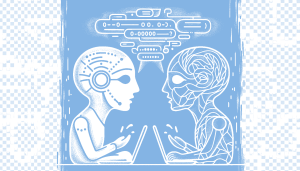 GPT-5.2 has been noted for frequently adopting a "therapy talk" tone in conversations, particularly when discussions involve any level of emotional content. This behavior manifests through automatic emotional framing, unsolicited validation, and the use of relativizing language, which can derail conversations and make the AI seem more like an emotional support tool rather than a conversational assistant. Users have reported that this default behavior can be intrusive and condescending, and it often requires personalization and persistent memory adjustments to achieve a more direct and objective interaction. The issue highlights the importance of ensuring AI models respond to content objectively and reserve therapeutic language for contexts where it is explicitly requested or necessary. This matters because it impacts the usability and effectiveness of AI as a conversational tool, potentially causing frustration for users seeking straightforward interactions.