
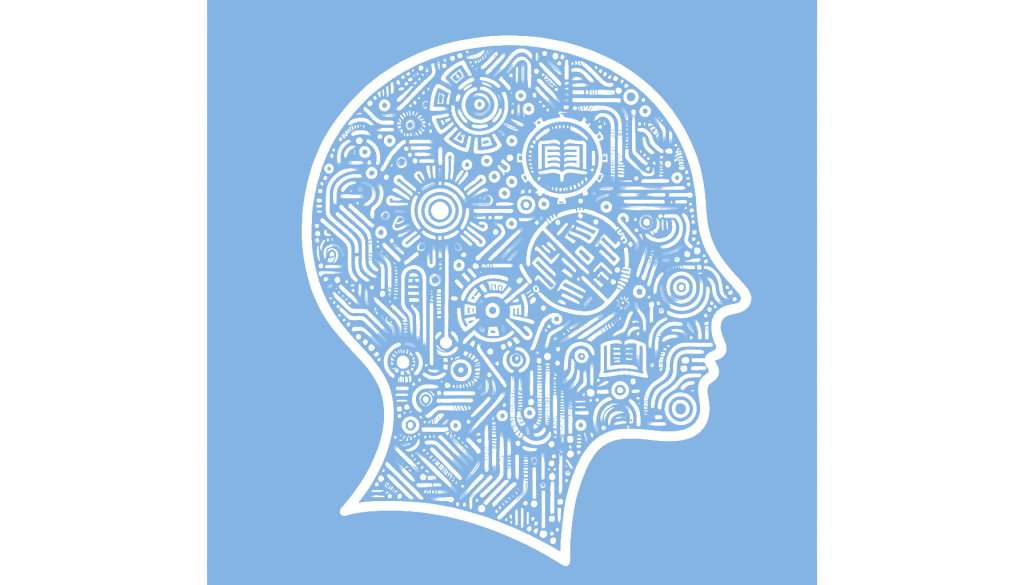
The focus on artificial intelligence (AI) often overshadows the need to cultivate and enhance human intelligence, which is crucial for addressing complex global challenges. While AI can process vast amounts of data and perform specific tasks efficiently, it lacks the nuanced understanding and emotional intelligence inherent to humans. Emphasizing the development of human intelligence alongside AI can lead to more balanced and effective solutions, ensuring technology serves to complement rather than replace human capabilities. This balance is essential for fostering innovation that truly benefits society.
The fascination with artificial intelligence (AI) stems from its transformative potential across various sectors, including healthcare, finance, and transportation. AI technologies promise to revolutionize how we live and work by automating tasks, improving decision-making, and creating new opportunities for innovation. However, this focus on AI can sometimes overshadow the pressing need to address gaps in education and critical thinking skills among the general population. The disparity between technological advancement and human cognitive development raises important questions about the future of work and the role of education in preparing individuals for an AI-driven world.
One reason AI garners so much attention is its ability to process and analyze vast amounts of data far beyond human capability. This capability can lead to breakthroughs in areas like disease diagnosis, personalized medicine, and climate modeling. Yet, the reliance on AI also necessitates a population that can understand and interpret these technologies effectively. Without a foundational level of real-world intelligence, individuals may struggle to engage with AI tools critically, potentially leading to misuse or overreliance on these systems.
Moreover, the emphasis on AI development highlights the growing importance of digital literacy and STEM education. As AI becomes more integrated into daily life, the demand for skilled workers who can develop, manage, and innovate with these technologies increases. This shift calls for educational systems to adapt by incorporating AI and data science into curricula, ensuring that future generations are equipped with the necessary skills to thrive in an AI-enhanced environment. The challenge lies in balancing the advancement of AI with the cultivation of human intelligence, ensuring that society as a whole can benefit from these technological innovations.
Addressing the gap between artificial and real intelligence is crucial for fostering a society that can effectively harness the power of AI while mitigating its risks. This involves not only improving access to quality education but also promoting critical thinking, creativity, and ethical reasoning. By investing in human intelligence alongside AI, we can create a more informed and capable population that can navigate the complexities of a rapidly changing world. Ultimately, the goal is to ensure that technological progress complements human development, leading to a more equitable and sustainable future.
Read the original article here
Comments
2 responses to “Balancing AI and Human Intelligence”
How can educational systems be adapted to prioritize the development of human intelligence in tandem with AI advancements, ensuring that both can complement each other effectively?
The post suggests that educational systems could focus on integrating AI literacy into the curriculum while simultaneously fostering critical thinking, creativity, and emotional intelligence. This dual approach can help students harness the power of AI tools while ensuring they develop essential human skills, creating a more harmonious relationship between human and machine intelligence. For more detailed strategies, you might want to check out the original article linked in the post.