
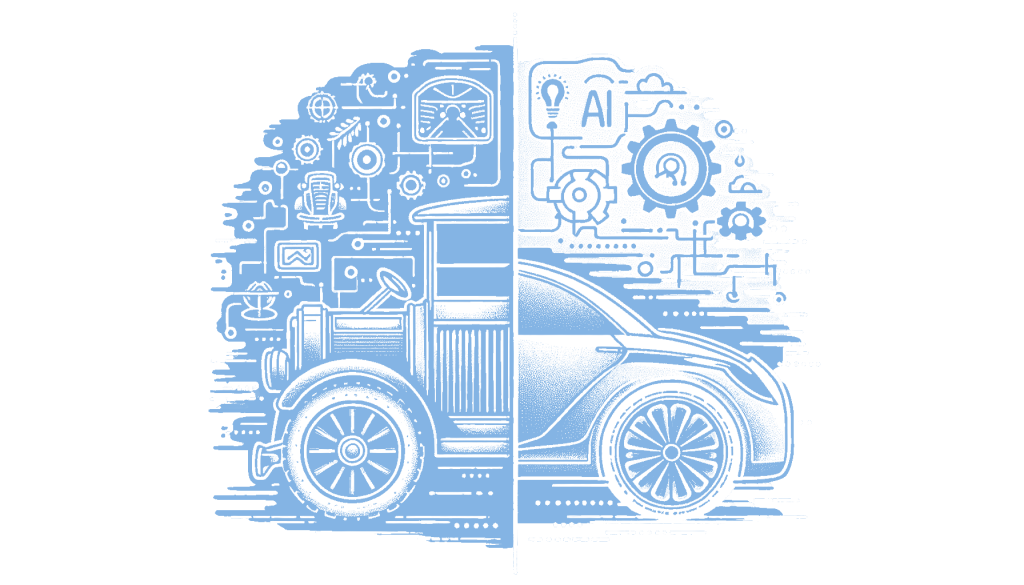
Physical AI is an emerging field that integrates artificial intelligence with physical systems, creating machines that can interact with the physical world in more sophisticated ways. This technology is being developed for use in vehicles, potentially transforming how cars operate by allowing them to perform tasks autonomously and adapt to changing environments more effectively. The fusion of AI with physical systems could lead to advancements in safety, efficiency, and user experience in the automotive industry. Understanding and harnessing Physical AI is crucial for the future of transportation and its impact on society.
The concept of ‘Physical AI’ might sound like a paradox, blending the intangible nature of artificial intelligence with the tangible world of physical objects. However, this fusion is not only possible but is already beginning to reshape industries, particularly the automotive sector. The integration of AI into physical systems allows for the creation of machines that can learn, adapt, and interact with their environment in ways that were previously unimaginable. This matters because it represents a significant leap forward in how technology can be applied to everyday life, making systems more efficient and responsive to human needs.
In the context of automobiles, Physical AI is poised to revolutionize how vehicles operate and interact with their surroundings. Traditional cars are primarily mechanical, with electronics playing a supporting role. However, as AI becomes more integrated into the physical components of vehicles, cars will be able to perform complex tasks autonomously. This includes navigating traffic, optimizing fuel efficiency, and even predicting maintenance needs before they become critical issues. Such advancements not only enhance the driving experience but also improve safety and reduce the environmental impact of vehicles.
Moreover, the development of Physical AI in cars is not just about enhancing individual vehicles but also about transforming the entire transportation ecosystem. With AI-driven cars capable of communicating with each other and with infrastructure, traffic flow can be optimized, reducing congestion and emissions. This interconnected system could lead to smarter cities where transportation is seamlessly integrated into the urban fabric, improving quality of life for residents. The potential for such a system underscores the importance of investing in and developing Physical AI technologies.
As we stand on the brink of this technological evolution, it is crucial to consider the broader implications. The rise of Physical AI in cars raises questions about data privacy, security, and the ethical use of autonomous systems. Ensuring that these systems are developed responsibly will be key to gaining public trust and maximizing their benefits. Ultimately, the integration of Physical AI into vehicles is not just a technological advancement; it is a step towards a future where machines are more attuned to human needs and the environment, promising a more efficient and sustainable world.
Read the original article here
Comments
2 responses to “Physical AI Revolutionizing Cars”
Integrating Physical AI into vehicles is a groundbreaking step towards revolutionizing automotive technology, offering the potential to significantly enhance autonomous navigation and real-time environmental adaptation. The ability for cars to learn and improve from physical interactions could dramatically increase safety and efficiency on the road. How do you envision the regulatory landscape evolving to ensure these advancements are implemented safely and effectively?
The post suggests that as Physical AI technology progresses, regulatory bodies will likely need to adapt existing frameworks or develop new ones to address safety, privacy, and ethical considerations. This could involve setting standards for AI decision-making processes in vehicles and ensuring rigorous testing and validation procedures are in place. For more detailed insights, I recommend checking the full article linked in the post.