
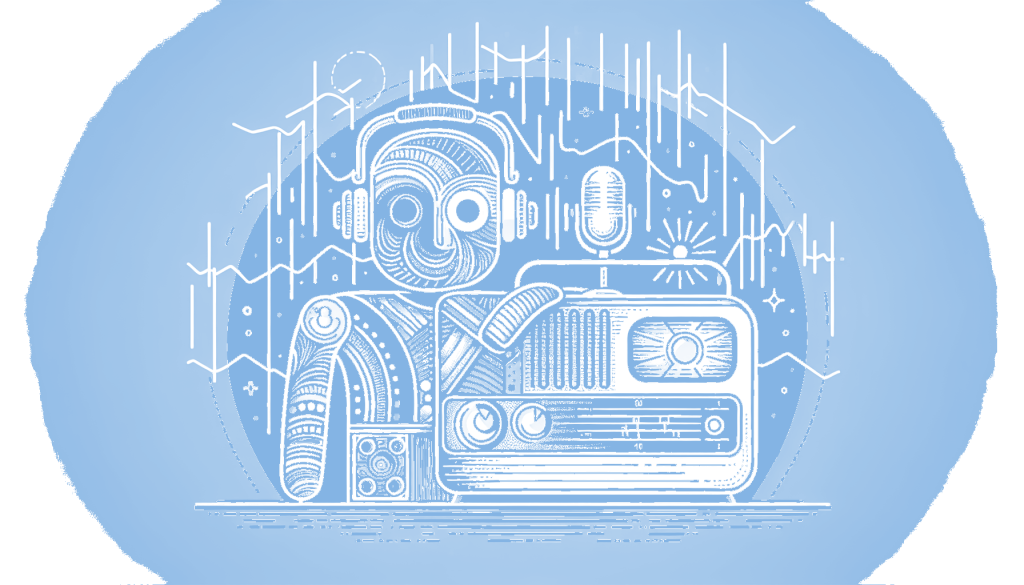
Frustrated with the monotonous and impersonal nature of algorithm-driven news feeds, a creative individual developed VibeCast, an AI-powered local radio station with a nostalgic 1950s flair. Featuring Vinni Vox, an AI DJ created using Qwen 1.5B and Piper TTS, VibeCast delivers pop culture updates in a fun and engaging audio format. The project transforms web-scraped content into a continuous audio stream using Python/FastAPI and React, complete with retro-style features like a virtual VU meter. Plans are underway to expand the network with additional stations for tech news and research paper summaries, despite some latency issues being addressed with background music. This matters because it showcases a personalized and innovative alternative to traditional news consumption, blending modern technology with nostalgic elements.
The concept of creating a personalized AI radio station like VibeCast addresses a growing dissatisfaction with the way we consume news and media today. With the dominance of algorithm-driven feeds, content often feels repetitive, impersonal, and devoid of the charm that traditional media once offered. By building a platform that combines AI with a retro aesthetic, the creator taps into a sense of nostalgia while providing a fresh and engaging way to receive updates. This approach not only revives the lost art of radio broadcasting but also reintroduces personality into the digital consumption experience.
VibeCast’s use of AI to generate conversational scripts and voices is a testament to the advancements in technology that allow for more dynamic and interactive media experiences. The AI DJ, Vinni Vox, is designed to emulate the lively and personable style of classic radio hosts, making the listening experience enjoyable and reminiscent of a bygone era. By employing tools like Qwen 1.5B and Piper TTS, the project showcases how AI can be leveraged to create content that feels both personalized and entertaining. This innovation is particularly relevant in a time when many people crave more meaningful and engaging interactions with their media.
Furthermore, the expansion of the network to include stations focused on tech news and research paper summaries highlights the potential for AI-driven media to cater to niche interests and specialized content. This diversification not only broadens the appeal of the platform but also demonstrates the versatility of AI in adapting to different content areas. By offering a range of stations, the project can attract a wider audience and provide listeners with tailored content that aligns with their specific interests, all while maintaining the nostalgic charm that sets it apart from traditional news feeds.
Overall, the creation of an AI-powered radio station like VibeCast matters because it challenges the status quo of media consumption and offers a more engaging, personalized alternative. As digital content continues to evolve, projects like this highlight the importance of innovation and creativity in enhancing user experience. By blending the old with the new, VibeCast not only revitalizes the concept of radio but also paves the way for future developments in AI-driven media. This could potentially lead to a shift in how we interact with digital content, making it more enjoyable and tailored to individual preferences.
Read the original article here
Comments
2 responses to “AI Radio Station VibeCast Revives Nostalgic Broadcasting”
VibeCast sounds like a fascinating blend of nostalgia and technology, offering a refreshing take on news consumption. Given its unique format, how does VibeCast ensure the accuracy and reliability of the web-scraped content it transforms into audio broadcasts?
The project aims to ensure the accuracy and reliability of its content by sourcing information from reputable websites and employing validation algorithms. While the exact methods are not detailed in the post, you can refer to the original article linked above for more information or to contact the author directly.