
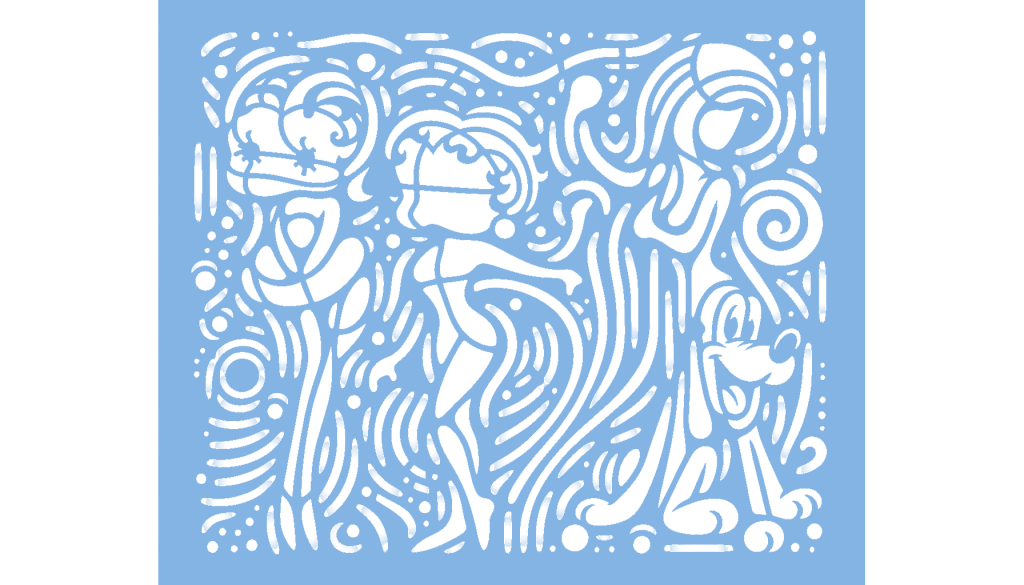
As of 2026, numerous iconic works from 1930 have entered the public domain, allowing for their free use and repurposing in the US. Notable entries include Betty Boop’s initial appearance in “Dizzy Dishes” and the early version of Pluto, then known as Rover, in “The Picnic.” This transition to the public domain also includes films like “Morocco,” which featured content that would later be restricted by the Hays Code. These newly available works provide opportunities for creators to incorporate classic characters and stories into new projects, fostering creativity and innovation. This matters because it opens up a wealth of cultural content for public use, inspiring new creative endeavors and preserving historical media.
The transition of creative works into the public domain is a significant event for artists, creators, and the public at large. As works from 1930 enter the public domain, they become available for unrestricted use, allowing for a new wave of creativity and reinterpretation. This year, iconic characters like Betty Boop and Pluto, as well as literary figures such as Nancy Drew, are among those now free to be reimagined. The public domain acts as a cultural reservoir, providing raw material for new works and ensuring that cultural heritage is accessible to all. This accessibility can inspire innovation and foster a deeper connection to historical art forms.
The Hays Code, which began to be enforced in 1934, significantly restricted the content of films, shaping the landscape of American cinema for decades. Prior to its strict enforcement, films like “Morocco” pushed boundaries with scenes that would later be censored. With these pre-code films entering the public domain, modern creators have the opportunity to explore and reinterpret themes that were once considered taboo. This not only allows for a celebration of artistic freedom but also provides a lens through which we can examine societal changes over time.
Betty Boop and Pluto, characters that have become cultural icons, offer unique opportunities for creators. Betty Boop’s early appearance as a dog in “Dizzy Dishes” and Pluto’s initial role as Rover in “The Picnic” are now available for use, albeit in their original forms. This distinction highlights the importance of understanding the nuances of copyright law and the specific versions of works that are released into the public domain. It allows for the preservation of original creative expressions while encouraging new interpretations and adaptations that can resonate with contemporary audiences.
The public domain also opens up avenues for interactive experiences, such as the Gaming Like It’s 1930 jam, where participants can develop games incorporating works from the year 1930. This initiative not only celebrates the historical significance of these works but also promotes innovation in the gaming industry. By engaging with these newly available resources, creators can craft unique narratives and experiences that bridge the past and present, enriching both the cultural and technological landscapes. As more works enter the public domain, the potential for creative exploration and cultural enrichment continues to expand, underscoring the importance of these transitions in the artistic community.
Read the original article here
Comments
2 responses to “Public Domain 2026: Iconic Works Set Free”
The entry of iconic works like Betty Boop into the public domain is an exciting moment for creators and audiences alike, offering new opportunities to engage with classic media. How do you think this influx of public domain content might influence contemporary storytelling styles or trends?
The post suggests that the influx of public domain content could inspire a resurgence of interest in vintage storytelling styles and themes. Creators might blend these classic elements with modern techniques, potentially leading to innovative narratives that resonate with both nostalgic and contemporary audiences.