
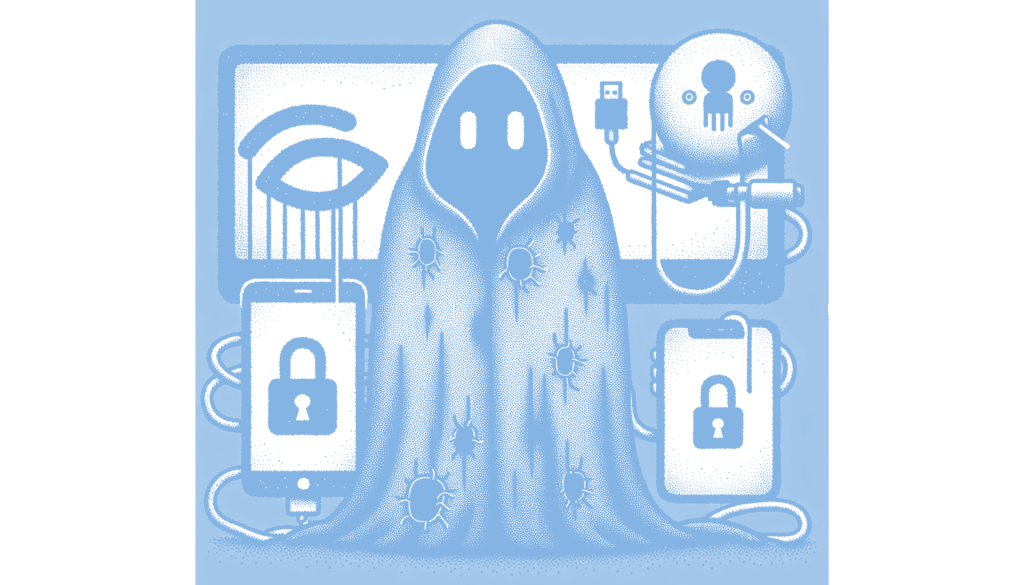
Many outdated tech beliefs continue to mislead people, particularly in areas like privacy, batteries, and device performance. Common myths include the idea that incognito mode ensures anonymity, Macs are immune to malware, charging devices overnight harms battery health, more specs equate to faster devices, and public WiFi with a password is secure. While these beliefs may have had some basis in the past, advancements in technology have rendered them largely inaccurate. Understanding these misconceptions is crucial for making informed decisions about technology use and security.
Many outdated tech beliefs continue to circulate, often leading to misconceptions about privacy, device performance, and security. For instance, the belief that using Incognito mode makes one completely anonymous is a common myth. While Incognito mode prevents your browser from storing your history, it does not hide your activity from websites, internet service providers, or network administrators. This misunderstanding can lead to a false sense of security, potentially exposing users to privacy risks they might otherwise avoid with a more comprehensive understanding of online privacy tools.
Another prevalent myth is the idea that Macs are immune to malware. While historically, Macs have been less targeted by malware compared to Windows PCs, this does not mean they are invulnerable. As Apple’s market share has increased, so has the incentive for cybercriminals to develop malware targeting macOS. This myth can lead Mac users to neglect essential security practices, such as installing antivirus software and keeping their systems updated, thereby increasing their vulnerability to attacks.
The belief that charging a device overnight will kill its battery health is another outdated notion. Modern smartphones and laptops are equipped with smart charging technology that prevents overcharging by stopping the current once the battery reaches full capacity. While it is true that battery health can degrade over time, leaving a device plugged in overnight is unlikely to be a significant factor. Understanding this can help users adopt more convenient charging habits without undue worry about damaging their devices.
Finally, the assumption that public WiFi with a password is safe can be misleading. Even when a network is password-protected, it does not guarantee security from eavesdropping or man-in-the-middle attacks. Public networks can still expose users to risks, making it crucial to use additional protective measures such as VPNs or ensuring secure connections (HTTPS) when accessing sensitive information. By debunking these myths and fostering a more accurate understanding of technology, users can make more informed decisions and better protect themselves in the digital age.
Read the original article here
Comments
2 responses to “Debunking Common Tech Myths”
While the post effectively addresses several pervasive tech myths, it might overlook the nuanced reasons why some of these beliefs persist, such as the psychological comfort users find in thinking incognito mode provides complete privacy. Including more context about why these myths originated and why they still hold sway could enhance the depth of the analysis. How do you think tech companies can better educate users to prevent the perpetuation of these myths?
The post highlights some common misconceptions, but you’re right that delving into the psychological reasons behind their persistence could add valuable context. Tech companies can play a key role by simplifying complex information and using relatable examples to clarify these myths. Clear communication and user-friendly educational resources are crucial for helping users navigate and understand the realities of tech usage.