
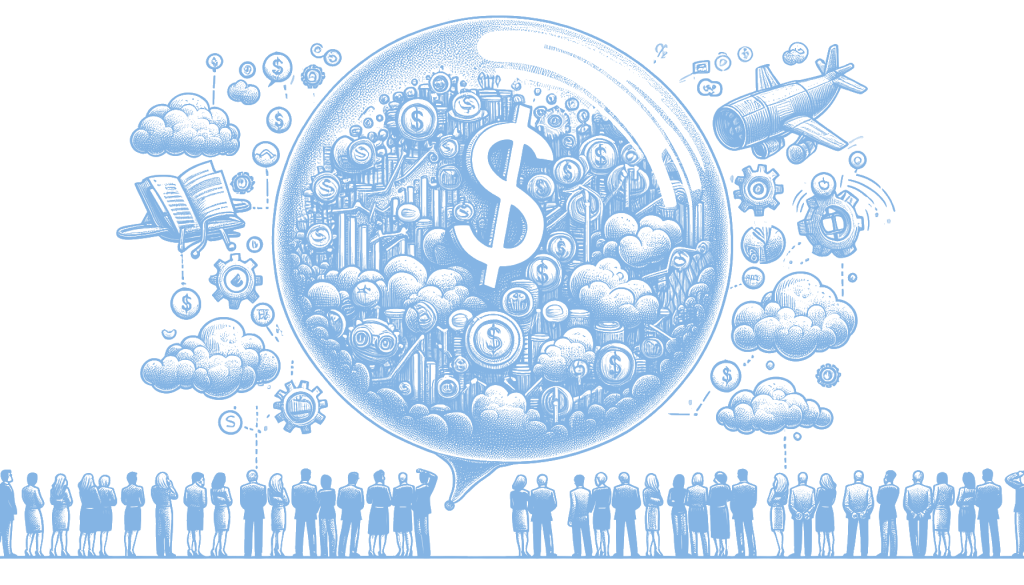
Databricks CEO Ali Ghodsi criticizes companies that have received billions in funding without generating any revenue, labeling such situations as indicative of a financial bubble. He highlights the unsustainable nature of these business models, suggesting that the lack of revenue in the face of massive funding is “insane.” This perspective is particularly relevant in the context of the rapidly evolving AI landscape, where automation is impacting a wide array of job roles. From creative fields like graphic design and writing to administrative and junior positions, AI is increasingly replacing human roles, though some areas, such as medical scribes, remain uncertain. The corporate sector is also seeing a push towards AI-driven automation, with companies actively seeking to replace corporate workers. While AI presents challenges and opportunities, its limitations and the economic factors at play mean that not all jobs are equally affected. Understanding these dynamics is crucial for navigating the future job market and ensuring sustainable business practices. Why this matters: Recognizing the signs of a financial bubble and understanding AI’s impact on job markets is essential for businesses and workers to adapt and thrive in a rapidly changing economic landscape.
Ali Ghodsi’s critique of companies with substantial funding but no revenue highlights a significant concern in the tech industry. The notion of a “bubble” suggests an unsustainable economic situation where valuations are inflated without corresponding financial performance. This is reminiscent of the dot-com bubble of the late 1990s, where many internet companies were highly valued despite lacking viable business models. Ghodsi’s comments serve as a cautionary reminder of the potential risks associated with investing in firms that prioritize growth and funding over profitability. This matters because it underscores the importance of financial sustainability and the potential consequences of neglecting it.
The impact of artificial intelligence on job markets is another pressing issue with far-reaching implications. AI’s ability to automate tasks traditionally performed by humans is reshaping industries and altering the employment landscape. Creative roles, such as graphic designers and writers, are increasingly being supplemented or replaced by AI technologies. This trend raises questions about the future of work and the skills that will be in demand. Understanding these shifts is crucial for workers and policymakers alike, as it will influence education, training programs, and economic policies aimed at mitigating job displacement.
While AI’s encroachment on junior and administrative roles is evident, its impact on other sectors remains uncertain. For instance, the potential replacement of medical scribes by AI is still in its early stages, indicating that some roles may be more resilient to automation than others. Additionally, the use of AI in corporate settings, such as call centers and marketing, suggests a broader trend of technology-driven efficiency. However, this also raises ethical and economic concerns, such as the quality of AI-driven services and the broader societal implications of reduced employment opportunities.
Despite AI’s transformative potential, there are limitations and challenges that must be addressed. Economic factors, such as cost and accessibility, play a significant role in determining the extent of AI adoption. Furthermore, AI technologies are not infallible and require ongoing development and oversight to ensure they operate effectively and ethically. As society adapts to these changes, it is essential to consider the future outlook, including the development of new job categories and the re-skilling of the workforce. By understanding these dynamics, stakeholders can better navigate the complexities of AI integration and its impact on the economy and society.
Read the original article here