
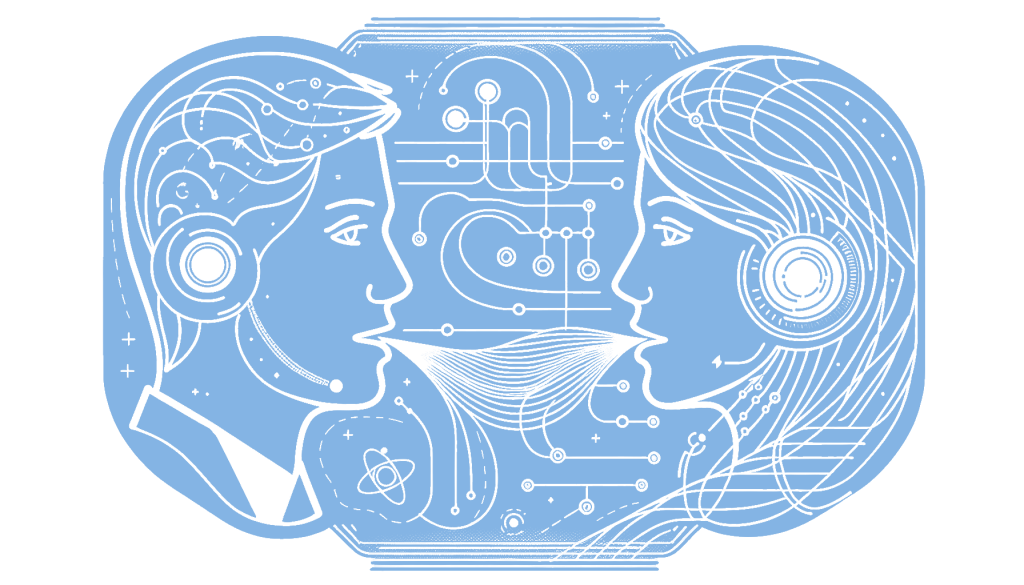
Real-time speech-to-speech translation is a groundbreaking technology that allows for instantaneous translation of spoken language, facilitating seamless communication across different languages. This innovation leverages advanced algorithms and machine learning to process and translate speech with minimal delay, making it an invaluable tool for global communication. The development of such technology involves the collaboration of numerous experts in fields such as linguistics, computer science, and artificial intelligence. By enabling real-time translation, this technology has the potential to bridge language barriers and enhance cross-cultural interactions worldwide. Why this matters: Real-time speech-to-speech translation can significantly improve global communication by breaking down language barriers, fostering better understanding and cooperation across different cultures and regions.
Real-time speech-to-speech translation represents a significant leap forward in breaking down language barriers, allowing for seamless communication between people who speak different languages. This technology is particularly important in our increasingly globalized world, where cross-cultural communication is more common and necessary than ever before. By enabling real-time translation, individuals can engage in conversations without the delay of traditional translation methods, enhancing both personal and professional interactions. This capability can transform various fields such as international business, travel, and diplomacy, where clear and immediate communication is crucial.
The development of real-time speech-to-speech translation relies heavily on advancements in artificial intelligence and machine learning. These technologies enable systems to accurately recognize and translate spoken language, adapting to different accents, dialects, and speech patterns. The ability to process and translate speech in real-time requires sophisticated algorithms and vast amounts of data to ensure accuracy and reliability. As these systems continue to improve, they promise to become more accessible and user-friendly, potentially integrating into everyday devices and applications.
One of the most exciting aspects of this technology is its potential to democratize communication. By removing language as a barrier, people from diverse backgrounds can share ideas, collaborate, and build relationships more easily. This can lead to greater cultural exchange and understanding, fostering a more inclusive global community. Moreover, in emergency situations or humanitarian efforts, real-time translation can facilitate rapid and effective communication, potentially saving lives and improving response efforts.
However, the implementation of real-time speech-to-speech translation is not without challenges. Ensuring the privacy and security of conversations is paramount, as is addressing the nuances and context of language that machines may struggle to interpret. Additionally, there is the ongoing need to refine the technology to handle less common languages and dialects, ensuring that the benefits of this innovation are available to as many people as possible. Despite these challenges, the continued development and refinement of real-time speech-to-speech translation hold great promise for enhancing global communication and connectivity.
Read the original article here