
Python
-
Exploring Human Perception with DCGAN and Flower Images
Read Full Article: Exploring Human Perception with DCGAN and Flower Images Training a DCGAN (Deep Convolutional Generative Adversarial Network) on over 2,000 flower images aimed to explore the boundaries of human perception in distinguishing between real and generated images. The project highlights the effectiveness of Python as the primary programming language for machine learning due to its ease of use, rich ecosystem of libraries like TensorFlow and PyTorch, and strong community support. Other languages such as R, Julia, C++, Scala, Rust, and Kotlin also offer unique advantages, particularly in statistical analysis, performance, and big data processing. Understanding the strengths of different programming languages can significantly enhance the development and performance of machine learning models.
-
Comprehensive AI/ML Learning Roadmap
Read Full Article: Comprehensive AI/ML Learning Roadmap A comprehensive AI/ML learning roadmap has been developed to guide learners from beginner to advanced levels using only free resources. This structured path addresses common issues with existing roadmaps, such as being too shallow, overly theoretical, outdated, or fragmented. It begins with foundational knowledge in Python and math, then progresses through core machine learning, deep learning, LLMs, NLP, generative AI, and agentic systems, with each phase including practical projects to reinforce learning. The roadmap is open for feedback to ensure it remains a valuable and accurate tool for anyone serious about learning AI/ML without incurring costs. This matters because it democratizes access to quality AI/ML education, enabling more individuals to develop skills in this rapidly growing field.
-
Choosing the Right Language for ML
Read Full Article: Choosing the Right Language for ML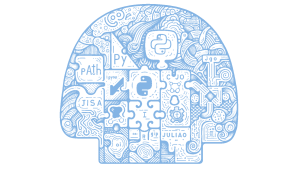 Choosing the right programming language for machine learning can greatly influence efficiency, performance, and resource availability. Python stands out as the most popular choice due to its ease of use, extensive libraries, and strong community support, despite its slower execution speed compared to compiled languages. Other languages like R, Java, C++, Julia, Go, and Rust each offer specific benefits, such as performance, scalability, or ease of integration into existing systems, making them suitable for particular use cases. Ultimately, selecting the best language depends on individual needs, goals, and the specific machine learning tasks at hand. Why this matters: Understanding the strengths and weaknesses of different programming languages helps in selecting the most appropriate one for efficient and effective machine learning projects.
-
LoureiroGate: Enforcing Hard Physical Constraints
Read Full Article: LoureiroGate: Enforcing Hard Physical Constraints![[Project] LoureiroGate: A PyTorch library for enforcing Hard Physical Constraints (Differentiable Gating)](https://www.tweakedgeek.com/wp-content/uploads/2025/12/featured-article-7603-300x171.png) Choosing the right programming language for machine learning can greatly affect efficiency, performance, and resource accessibility. Python is the most popular choice due to its ease of use, extensive library ecosystem, and strong community support, making it ideal for beginners and experienced developers alike. Other languages like R, Java, C++, Julia, Go, and Rust offer unique advantages for specific use cases, such as statistical analysis, enterprise integration, or performance-critical tasks. The best language depends on individual needs and the specific requirements of the machine learning project. This matters because selecting the appropriate programming language can significantly streamline machine learning development and enhance the effectiveness of the solutions created.
Choosing the right programming language for machine learning can greatly affect efficiency, performance, and resource accessibility. Python is the most popular choice due to its ease of use, extensive library ecosystem, and strong community support, making it ideal for beginners and experienced developers alike. Other languages like R, Java, C++, Julia, Go, and Rust offer unique advantages for specific use cases, such as statistical analysis, enterprise integration, or performance-critical tasks. The best language depends on individual needs and the specific requirements of the machine learning project. This matters because selecting the appropriate programming language can significantly streamline machine learning development and enhance the effectiveness of the solutions created.
-
Optimizers: Beyond Vanilla Gradient Descent
Read Full Article: Optimizers: Beyond Vanilla Gradient Descent Choosing the right programming language is crucial for machine learning efficiency and performance. Python is the most popular choice due to its simplicity and extensive library support, acting as a "glue" language that leverages optimized C/C++ and GPU kernels for heavy computations. Other languages like C++, R, Julia, Go, Rust, Java, Kotlin, and C# are also important, particularly for performance-critical tasks, statistical analysis, or integration with existing systems. Each language offers unique benefits, making them suitable for specific machine learning contexts, especially when performance and system integration are priorities. This matters because selecting the appropriate programming language can significantly enhance the efficiency and effectiveness of machine learning projects.
-
Choosing the Best Language for Machine Learning
Read Full Article: Choosing the Best Language for Machine Learning Choosing the right programming language is crucial for machine learning as it affects both efficiency and model performance. Python is the most popular choice due to its ease of use and extensive ecosystem, while C++ is favored for performance-critical applications. Java is suitable for enterprise-level projects, and R excels in statistical analysis and data visualization. Julia combines Python's ease of use with C++'s performance, Go is valued for concurrency, and Rust offers memory safety and performance for low-level development. Each language has unique strengths, making them suitable for different machine learning needs and goals. This matters because selecting the appropriate programming language can significantly enhance the success and efficiency of machine learning projects.
-
Choosing Languages for Machine Learning
Read Full Article: Choosing Languages for Machine Learning Choosing the right programming language is crucial for machine learning, as it affects both efficiency and model performance. Python is the most popular choice due to its ease of use and extensive ecosystem, but other languages offer unique benefits for specific needs. C++ is favored for performance-critical tasks, Java is strong for enterprise applications, and R excels in statistical analysis and data visualization. Julia combines Python's ease with C++'s performance, Go is valued for concurrency, and Rust offers memory safety and performance for low-level development. Selecting the appropriate language depends on the specific requirements of your machine learning projects. Why this matters: The choice of programming language can significantly influence the success and efficiency of machine learning projects, impacting everything from development speed to model performance.
-
Roadmap: Software Developer to AI Engineer
Read Full Article: Roadmap: Software Developer to AI Engineer Transitioning from a software developer to an AI engineer involves a structured roadmap that leverages existing coding skills while diving into machine learning and AI technologies. The journey spans approximately 18 months, with phases covering foundational knowledge, core machine learning and deep learning, modern AI practices, MLOps, and deployment. Key resources include free online courses, practical projects, and structured programs for accountability. The focus is on building real-world applications and gaining practical experience, which is crucial for job readiness and successful interviews. This matters because it provides a practical, achievable pathway for developers looking to pivot into the rapidly growing field of AI engineering without needing advanced degrees.
-
Top Programming Languages for Machine Learning
Read Full Article: Top Programming Languages for Machine Learning Choosing the right programming language is crucial for optimizing efficiency and performance in machine learning projects. Python is the most popular choice due to its ease of use and extensive ecosystem. However, other languages like C++ are preferred for performance-critical tasks, Java for enterprise-level applications, and R for statistical analysis and data visualization. Julia, Go, and Rust offer unique benefits, such as combining ease of use with high performance, concurrency capabilities, and memory safety, respectively. Selecting the appropriate language depends on specific project needs and goals, highlighting the importance of understanding each language's strengths.
-
HLX: Custom Data-Transfer Language & Vulkan Compiler
Read Full Article: HLX: Custom Data-Transfer Language & Vulkan Compiler An individual with a non-technical background has developed a custom data-transfer language and Vulkan compiler designed for semantic compression in machine learning models. Despite being a self-taught experimenter, they created a dual track, bijective language that shows promising results in data transfer and loss convergence during training, albeit with slower performance on NVIDIA hardware. This project, still in its early stages and primarily built using Rust and Python, demonstrates a 6.7% improvement in loss convergence compared to CUDA, though the reasons for this improvement remain unclear. The creator is open to further exploration and development, particularly with larger hardware, to understand the potential applications of this innovation. Why this matters: Exploring new data-transfer languages and compilers can lead to more efficient machine learning processes, potentially improving model performance and resource utilization.