
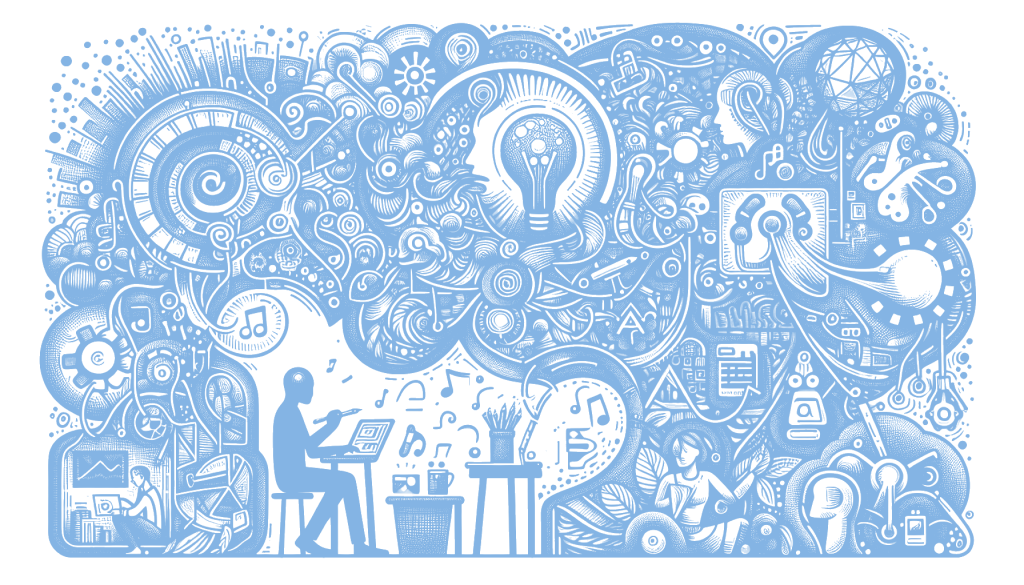
Mark Cuban recently highlighted the transformative potential of artificial intelligence (AI) in enhancing creativity, suggesting that AI empowers creators to amplify their creative output significantly. However, his perspective has sparked debate among industry professionals, who argue that the integration of AI may not be as straightforward or universally beneficial as Cuban suggests. Critics point out that AI’s role in creative processes can sometimes overshadow human input, leading to concerns about job displacement and the undervaluation of human creativity. This discussion underscores the ongoing tension between technological advancement and its impact on traditional creative industries, emphasizing the need for a balanced approach that maximizes AI’s benefits while safeguarding human contributions. Understanding this dynamic is crucial as it shapes the future of work and creativity.
Mark Cuban’s recent remarks on the potential of artificial intelligence (AI) to enhance creativity have sparked a debate among industry professionals. Cuban suggests that AI can serve as a powerful tool for creators, enabling them to expand their creative capabilities exponentially. His perspective highlights the transformative potential of AI in various creative fields, from art and music to writing and design. By automating mundane tasks and providing new tools for innovation, AI can free creators to focus more on the imaginative aspects of their work, potentially leading to groundbreaking developments and novel expressions.
However, Cuban’s optimistic view has not been universally embraced by those working within the industry. Many professionals express concerns over the implications of AI on job security and the authenticity of creative outputs. There’s a fear that reliance on AI could lead to a homogenization of creativity, where unique human elements are overshadowed by algorithmically generated content. Additionally, the rapid integration of AI technologies may outpace the ability of workers to adapt, leading to a skills gap and potential displacement in creative sectors.
The tension between AI’s potential benefits and its perceived threats underscores the complexity of its integration into creative industries. While AI can indeed offer new tools and methods for creative expression, it is crucial to consider how these technologies are implemented and regulated. Ensuring that AI serves as a complement rather than a replacement for human creativity is essential. This involves fostering an environment where creators can leverage AI to enhance their work while maintaining the distinctiveness and emotional depth that only human creators can provide.
Understanding the broader implications of AI in creativity is vital for both creators and consumers. As AI continues to evolve, it will shape not only how creative works are produced but also how they are consumed and valued. Engaging in open dialogues about the ethical use of AI, its impact on employment, and its role in the creative process will be crucial in navigating this new landscape. By addressing these challenges head-on, the creative industry can harness the power of AI to drive innovation while preserving the human touch that defines artistic endeavors. This balance is key to ensuring that AI becomes a tool for empowerment rather than a source of contention.
Read the original article here