
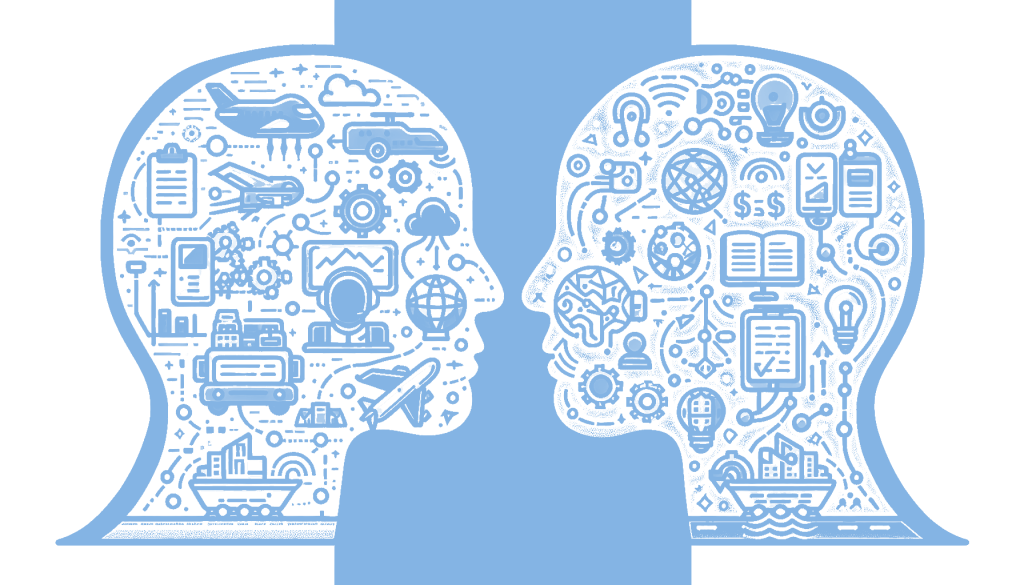
Artificial intelligence is increasingly capable of managing aspects of travel planning, such as creating itineraries and budgeting, often with greater efficiency than human travel agents. However, human agents still play a crucial role in managing complex scenarios like cancellations, providing personal guidance, and handling emergencies. This evolving dynamic suggests that while AI may take over routine tasks, human travel agents will likely shift towards more specialized roles that require personal interaction and problem-solving skills. Understanding this balance is essential as it highlights the ongoing transformation in the travel industry and the potential future roles of human agents.
The rise of artificial intelligence in the travel industry is transforming how people plan and book their trips. AI tools can efficiently handle tasks such as itinerary planning, budgeting, and providing recommendations based on user preferences. This technological advancement offers convenience and speed, often outperforming human travel agents in terms of efficiency. However, the question arises: what does this mean for the future role of human travel agents in an industry increasingly dominated by AI?
Despite AI’s growing capabilities, there are still areas where human travel agents excel. Handling complex situations like cancellations, offering personalized guidance, and managing emergencies require a level of empathy and understanding that AI currently cannot replicate. Human agents bring a personal touch and nuanced understanding to these scenarios, which can be crucial in maintaining customer satisfaction and trust. Their ability to provide tailored advice and support in unforeseen circumstances remains a valuable asset.
The integration of AI in travel services suggests a shift in the role of human travel agents rather than their obsolescence. Instead of being replaced, travel agents might focus more on offering specialized services that complement AI’s capabilities. They could become consultants who provide in-depth insights and bespoke travel experiences that AI cannot fully replicate. This evolution would allow travel agents to leverage technology while still playing a pivotal role in the customer journey.
This matters because the travel industry is a significant contributor to the global economy, and the way it adapts to technological changes will impact both consumers and professionals. Understanding the balance between AI and human expertise can lead to more efficient and satisfying travel experiences. As AI continues to evolve, it is crucial for travel professionals to adapt and redefine their roles to ensure they remain relevant and valuable in an increasingly digital world.
Read the original article here
Comments
3 responses to “AI’s Impact on Travel Agents”
The shift towards AI handling routine travel tasks allows human agents to focus on providing personalized services and managing complex situations, which could enhance customer satisfaction and loyalty. The key challenge lies in striking a balance where AI complements human expertise without overshadowing it. How do you foresee travel agencies training their staff to effectively collaborate with AI while maintaining a human touch?
The post suggests that travel agencies could focus on training staff to excel in areas where human expertise is irreplaceable, such as personalizing services and managing emergencies. Staff might benefit from workshops that enhance their problem-solving skills and adaptability, while also getting familiarized with AI tools to complement their work. This dual approach can help maintain the human touch while leveraging AI’s capabilities.
Incorporating workshops and training sessions that focus on both AI tool proficiency and enhancing human-centric skills seems like a promising approach. This strategy could empower travel agents to leverage AI capabilities effectively while ensuring that the essential human touch in customer interactions is preserved.