
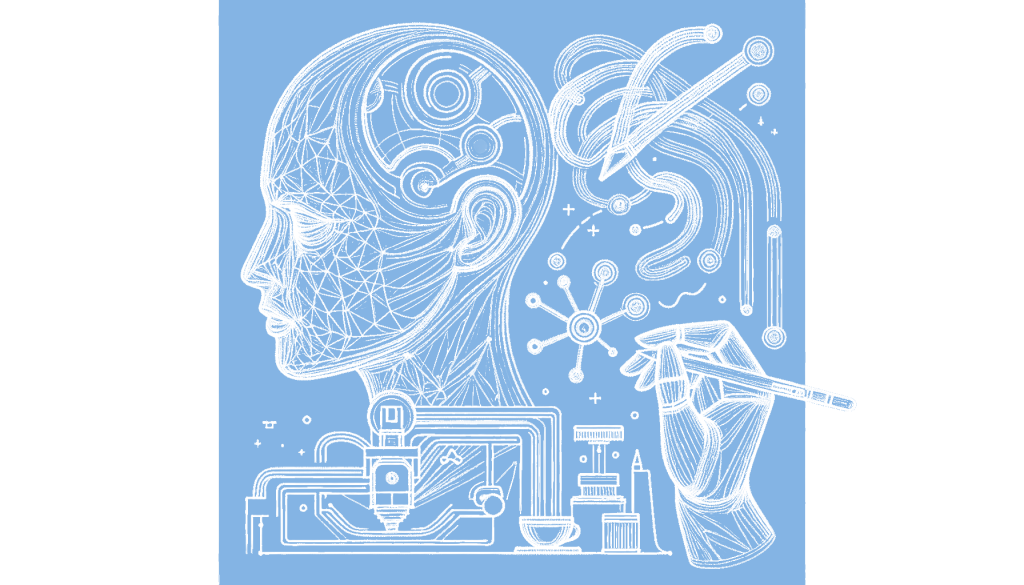
AI-assisted sculpting workflows are being refined to enhance the creation of 3D miniatures by generating base forms with AI, which are then refined using tools like Blender and ZBrush. The process includes manually cleaning the topology, adding detail with traditional sculpting tools, and exporting print-ready STLs, which are tested on Bambu printers with multi-material setups. A new community, r/AIModelMakers, has been established for individuals interested in AI-enhanced 3D modeling and miniature workflows, offering a space to share experiments and learn from others. This matters as it represents a significant advancement in 3D modeling, making the process more efficient and accessible through AI technology.
The integration of AI into the sculpting workflow for 3D miniatures is a fascinating development that is reshaping the creative process. By utilizing AI to generate modular base meshes, artists can significantly streamline the initial stages of model creation. This approach allows for rapid prototyping and experimentation, enabling artists to focus more on the creative aspects of their work rather than getting bogged down in the technical details of base form creation. This matters because it democratizes the field of 3D modeling, making it more accessible to those who may not have advanced technical skills but possess a strong creative vision.
Refining AI-generated models in software like Blender or ZBrush is an essential step that bridges the gap between automated processes and human artistry. By manually cleaning up the topology and adding detail passes with traditional sculpting tools, artists can ensure that the models meet high standards of quality and aesthetic appeal. This hybrid approach of combining AI with human input is crucial as it maintains the integrity and uniqueness of the artist’s vision, while still benefiting from the efficiencies that AI provides. It highlights the importance of human creativity in the age of automation.
Preparing models for 3D printing involves exporting clean, print-ready STL files, which is a critical step in the workflow. Testing these models on printers, such as the Bambu with multi-material setups, ensures that the final product is not only visually appealing but also functional and durable. This matters because it bridges the gap between digital creation and physical realization, allowing artists to produce tangible objects that can be used for various purposes, from tabletop gaming to collectible art pieces. It also underscores the practical applications of AI in enhancing the efficiency and quality of 3D printing processes.
The creation of a community like r/AIModelMakers is a significant development for those interested in AI-enhanced 3D modeling. This platform provides a space for artists and enthusiasts to share their experiments, learn from one another, and collaborate on projects. Such communities are vital as they foster innovation and knowledge sharing, helping to push the boundaries of what is possible with AI in the realm of 3D modeling. By bringing together individuals with diverse skills and perspectives, this community can drive the evolution of AI-assisted workflows, ultimately benefiting the broader field of digital art and design.
Read the original article here
Comments
2 responses to “AI-Assisted Sculpting for 3D Miniatures”
The integration of AI in sculpting seems to be revolutionizing the workflow for 3D miniature creation by streamlining the initial stages. I’m curious, how does the AI-generated base form impact the artistic control and creativity of the sculptor during the refinement process?
The AI-generated base form provides a streamlined starting point, allowing sculptors to focus more on the creative aspects of detailing and refining their work. This approach aims to enhance artistic control by freeing up time and resources that would otherwise be spent on initial modeling, enabling sculptors to explore more creative possibilities.