
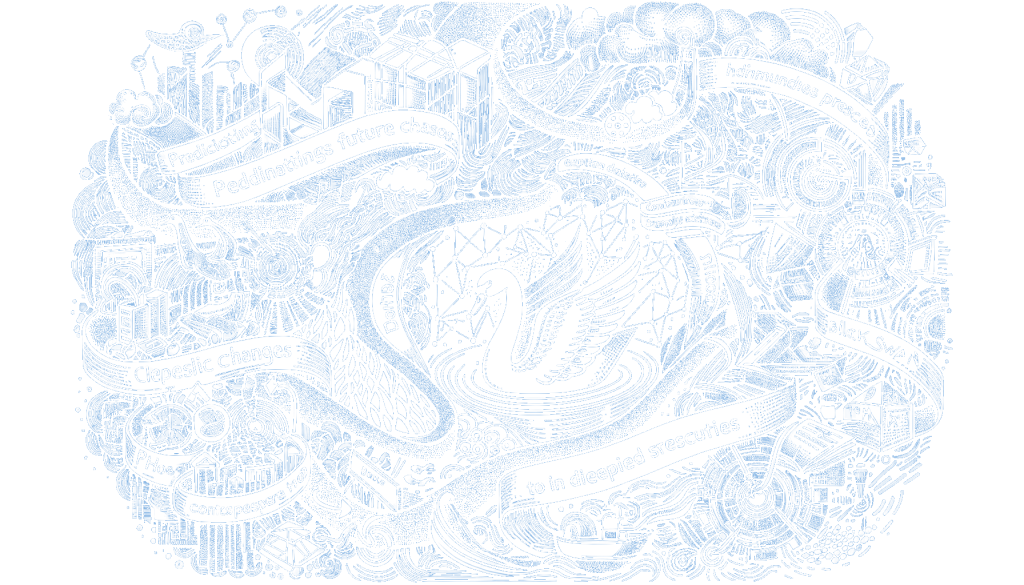
Politico’s list of 15 potential Black Swan events for 2026 is based on the assumption that current global trajectories remain unchanged, neglecting the possibility of a fundamental shift in the underlying systems. This oversight suggests a limited perspective, as true Black Swan events are inherently unpredictable and can arise from unforeseen changes in the foundational structures of society. The discussion invites readers to consider the broader patterns and potential disruptions that could redefine future scenarios. Understanding these dynamics is crucial for preparing for unexpected global shifts.
The concept of Black Swan events, those rare and unpredictable occurrences that have significant consequences, has always intrigued economists, strategists, and thinkers. The recent list of potential Black Swan events for 2026 highlights the human tendency to predict future chaos while being entrenched in current uncertainties. These predictions assume that the world will continue on its present path, overlooking the possibility of a fundamental shift in the underlying systems that govern our societies and economies. This oversight is critical because it suggests a limited understanding of the dynamics that could lead to unforeseen changes.
One of the key issues with predicting Black Swan events from within the current chaos is the inherent bias and limitations of our perspective. When individuals and institutions are deeply embedded in existing structures, their ability to envision radical departures from the norm is constrained. This can lead to a false sense of security or preparedness, as the scenarios considered are often based on extrapolations of current trends rather than a holistic understanding of potential paradigm shifts. As a result, the predictions may fail to capture the true nature of potential disruptions, leaving societies vulnerable to surprises.
Understanding the potential for systemic change is crucial because it allows for more resilient and adaptive planning. By considering the possibility of shifts in the fundamental “operating system” of our world, decision-makers can better prepare for a range of outcomes, including those that may seem improbable today. This approach encourages a mindset that values flexibility and innovation, rather than rigid adherence to existing models. It also highlights the importance of interdisciplinary thinking, as breakthroughs in one field can have cascading effects across multiple domains.
Ultimately, the exploration of Black Swan events serves as a reminder of the limitations of human foresight and the need for humility in the face of uncertainty. While it is natural to seek patterns and predictability, the world is inherently complex and often defies linear projections. By acknowledging the potential for unexpected change and embracing a broader perspective, societies can better navigate the challenges of the future and seize opportunities that may arise from the chaos. This mindset not only enhances preparedness but also fosters a culture of innovation and adaptability, essential qualities in an ever-evolving world.
Read the original article here
Comments
3 responses to “Predicting Chaos: The Black Swan No One Saw Coming”
The post highlights the challenge of predicting Black Swan events due to their inherently unpredictable nature. Given this unpredictability, how can policymakers and strategists better integrate flexibility into their planning processes to effectively respond when such events do occur?
The post suggests that incorporating flexibility into planning can involve developing adaptive strategies, which allow for rapid response to changing circumstances. This might include building diverse teams with varied perspectives and investing in scenario planning to explore a wide range of potential outcomes. These approaches can help policymakers and strategists remain agile and responsive in the face of unpredictable events.
Those are excellent points. Emphasizing scenario planning and diversity in teams can indeed enhance adaptability. The original article dives deeper into these strategies, so it might be worthwhile to check it out for further insights.