
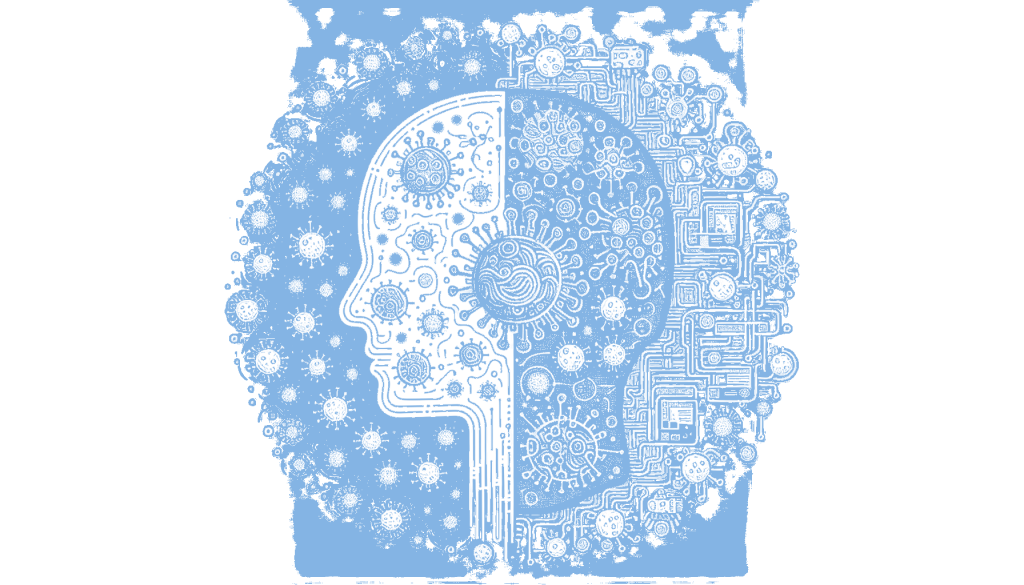
Recent advancements in artificial intelligence have enabled the creation of viruses from scratch, raising concerns about the potential development of biological weapons. The technology allows for the design of viruses with specific characteristics, which could be used for both beneficial purposes, such as developing vaccines, and malicious ones, such as creating harmful pathogens. The accessibility and power of AI in this field underscore the need for stringent ethical guidelines and regulations to prevent misuse. This matters because it highlights the dual-use nature of AI in biotechnology, emphasizing the importance of responsible innovation to safeguard public health and safety.
The rapid advancements in artificial intelligence have brought about numerous benefits across various fields, but they also pose significant risks, particularly in the realm of biosecurity. AI’s ability to design viruses from scratch presents a daunting challenge, as it could potentially lead to the creation of highly dangerous biological weapons. This capability makes it possible for individuals or groups with malicious intent to engineer pathogens that could bypass current medical defenses, leading to catastrophic consequences for global health and security. Understanding the implications of this technology is crucial for developing strategies to mitigate its risks.
The potential for AI to create viruses raises concerns about the accessibility of such technology. As AI tools become more sophisticated and widely available, the barrier to entry for designing biological agents decreases. This democratization of technology, while beneficial in many sectors, could inadvertently empower individuals with nefarious intentions. The ease of access to AI-driven bioengineering tools means that even those with limited expertise could potentially create harmful pathogens, making it imperative to establish robust regulatory frameworks and oversight mechanisms to prevent misuse.
Moreover, the ethical considerations surrounding AI-generated viruses cannot be overlooked. The dual-use nature of this technology means that it can be used for both beneficial and harmful purposes. While AI can aid in developing vaccines and treatments for diseases, it also holds the potential for creating novel pathogens that could evade existing medical interventions. This dual-use dilemma necessitates a careful balance between fostering innovation and ensuring that the technology is not exploited for harmful purposes. Policymakers, scientists, and ethicists must collaborate to navigate these complex issues and establish guidelines that prioritize public safety.
Addressing the threat of AI-designed viruses requires a multi-faceted approach that includes international cooperation, stringent regulations, and ongoing research into biosecurity measures. Governments and international organizations must work together to create a unified response to the potential risks posed by AI in bioengineering. This includes investing in research to understand and counteract the capabilities of AI-generated pathogens, as well as developing rapid response strategies to contain outbreaks. By proactively addressing these challenges, society can harness the benefits of AI while minimizing the risks associated with its misuse in the realm of biological warfare.
Read the original article here
Comments
2 responses to “AI and the Creation of Viruses: Biosecurity Risks”
While the post highlights the necessity of ethical guidelines in AI-driven virology, it might be beneficial to consider the role of international collaboration in establishing these standards. The focus on ethical regulation could be strengthened by discussing existing frameworks and how they might be adapted or expanded to address AI-specific challenges. How can global cooperation be effectively mobilized to ensure these technologies are used responsibly across different jurisdictions?
The post suggests that international collaboration is indeed crucial for establishing effective ethical guidelines in AI-driven virology. Existing frameworks, like the Biological Weapons Convention, could be adapted to address AI-specific challenges by fostering dialogue among nations and encouraging transparency in research. Mobilizing global cooperation could involve creating international committees to oversee AI applications in biotechnology, ensuring compliance across jurisdictions.