
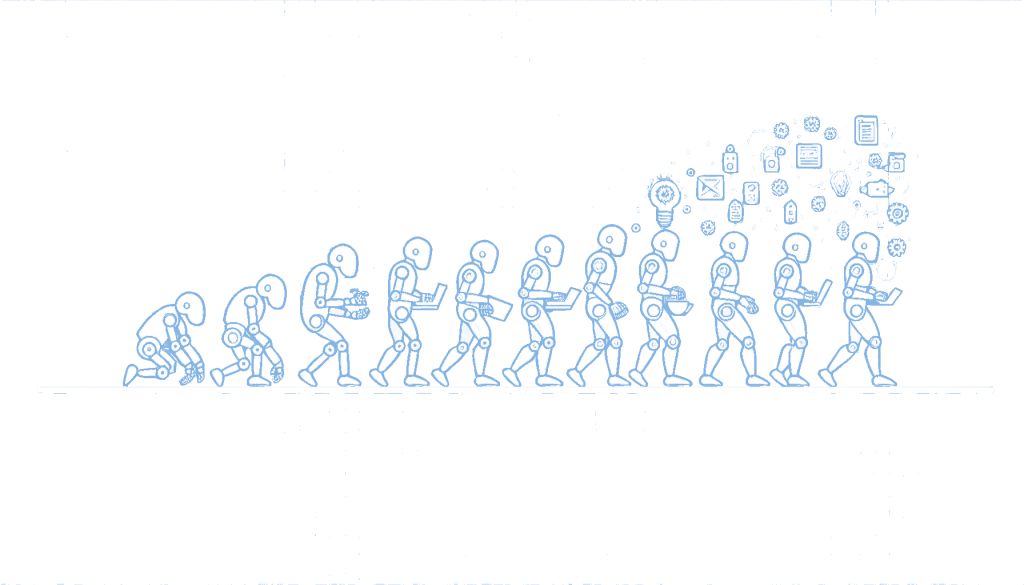
As AI technology continues to advance rapidly, AI models are expected to surpass human intelligence levels significantly by 2026, with projected IQ scores reaching 150, comparable to Nobel laureates. This evolution will likely transform social media content creation, as AI-generated content becomes increasingly sophisticated and engaging. The shift may lead to a new era where humans rely heavily on super-intelligent AIs for content ideation and production, potentially rendering human-generated content obsolete or inferior. The transition from AI slop to human slop underscores the need for humans to adapt and integrate these advanced technologies to remain relevant in content creation. This matters because it highlights the potential for AI to revolutionize industries and the importance of human adaptation to technological advancements.
The rapid evolution of artificial intelligence, particularly in the realm of content creation, is set to redefine the landscape of social media and online platforms. Initially, AI tools like ChatGPT-3.5 were criticized for producing what many termed “AI slop”—content that lacked depth and intelligence. This was largely due to the relatively low IQ scores of these early AI models. However, the pace of AI development has been astonishing, with top models now achieving IQ scores comparable to highly educated professionals. This progression suggests that AI-generated content will soon surpass the quality of content created by humans, marking a significant shift in how we consume and interact with media.
The anticipated rise in AI intelligence is not just about creating better content, but also about redefining the roles of human creators. As AI models become more capable, humans will likely rely on them not just for execution but for ideation as well. This shift could lead to a new era where AI serves as the primary driver of creativity, guiding human creators to produce content that is more engaging and insightful. The potential for AI to enhance human creativity is immense, offering opportunities for individuals and businesses to harness these tools for greater impact and reach.
However, this transition raises important questions about the role of human creativity and the potential for “human slop”—content that fails to leverage the capabilities of advanced AI. As AI models become increasingly sophisticated, the onus will be on humans to adapt and integrate these tools effectively. Those who fail to do so may find themselves producing content that pales in comparison to AI-generated work. This disparity could lead to a reevaluation of what constitutes valuable content and who is best equipped to produce it in a world where AI intelligence outpaces human capability.
Ultimately, the rise of super-intelligent AIs presents both challenges and opportunities. While there is a risk that human creativity could be overshadowed, there is also the potential for a collaborative future where AI and humans work together to push the boundaries of what is possible. This evolution could lead to a more dynamic and innovative content landscape, benefiting creators and consumers alike. As we approach this new era, it is crucial for individuals and industries to embrace the potential of AI, ensuring that the transition is not only seamless but also enriching for all involved. The future of content creation may well hinge on our ability to integrate and capitalize on these advancements.
Read the original article here