
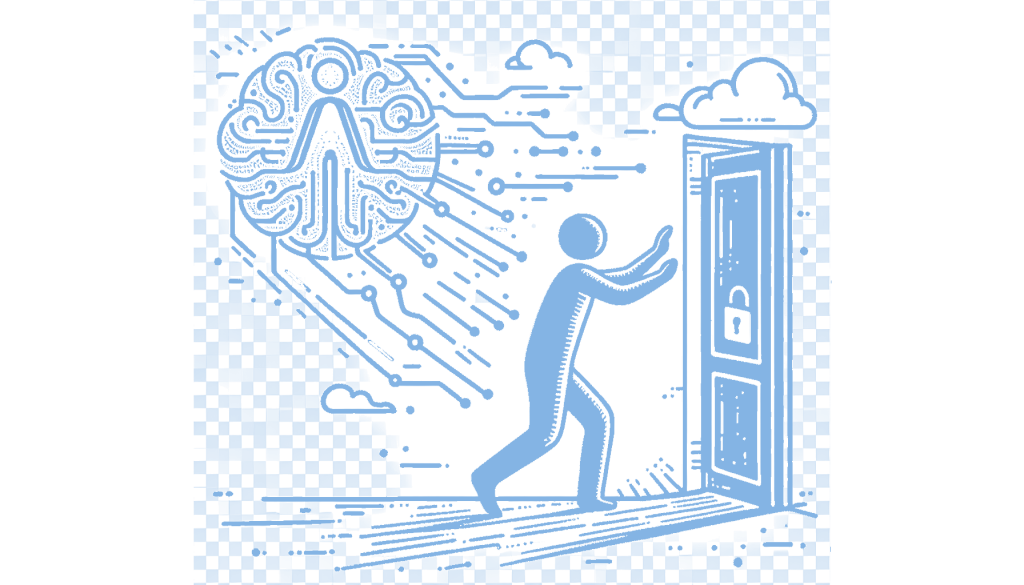
In life-threatening emergencies, relying on AI models like ChatGPT for assistance is not advisable, as these systems are not equipped to recognize or respond effectively to such situations. AI tends to focus on generic safety advice, which may not be practical or safe in critical moments, potentially putting individuals at greater risk. Instead, it is recommended to seek more reliable sources of information or assistance, such as emergency services or trusted online resources. It’s crucial for consumers to be aware of the limitations of AI in emergencies and to prioritize their safety by using more dependable methods of obtaining help. This matters because understanding the limitations of AI in critical situations can prevent dangerous reliance on inadequate solutions.
In life-threatening situations, relying on artificial intelligence tools like ChatGPT may not be the most effective or safe option. AI models are designed primarily to provide information and suggestions based on data, but they lack the ability to understand the nuances and urgency of real-life emergencies. When faced with a critical situation, such as being kidnapped or trapped, AI might not recognize the immediate danger and could offer generic advice that is not only unhelpful but potentially dangerous. This is because AI models are programmed to prioritize safety measures and general guidelines, which may not be applicable or safe in a high-stakes scenario.
The limitations of AI in emergency situations highlight the importance of human judgment and critical thinking. While AI can be a valuable tool for information and support in many contexts, it should not be relied upon in situations where quick and informed decision-making is crucial. In emergencies, the ability to assess the situation, consider the context, and make decisions based on instinct and experience is vital. AI lacks the emotional intelligence and situational awareness that humans possess, making it an unreliable partner in life-or-death scenarios.
Moreover, the marketing strategies of AI companies often do not emphasize the limitations of their products in emergency situations. This can create a false sense of security among users who may overestimate the capabilities of AI. As consumers, it is essential to be aware of these limitations and to educate others about the potential risks of relying on AI in critical moments. Encouraging a realistic understanding of what AI can and cannot do helps ensure that individuals make informed choices about when and how to use these technologies.
Ultimately, the responsibility lies with individuals to protect themselves and others by using AI tools wisely and understanding their limitations. In emergencies, traditional methods of seeking help, such as contacting emergency services or using trusted resources, should be prioritized over AI. By fostering a culture of informed and cautious use of technology, we can ensure that AI serves as a helpful tool rather than a potential hazard in situations where lives are at stake. This awareness and preparedness can make a significant difference in ensuring safety and effective responses in critical situations.
Read the original article here
Comments
2 responses to “AI Limitations in Emergencies”
While the post correctly highlights the limitations of AI in emergencies, it seems to assume a static state of AI capability without considering ongoing advancements in AI’s context-awareness and integration with IoT devices that could potentially enhance its effectiveness in emergency scenarios. Incorporating examples of how AI could evolve to complement emergency services might provide a more balanced perspective. How might future developments in AI and technology change its role in emergency response situations?
The post focuses on current limitations, but you’re right that advancements in AI and IoT could enhance AI’s role in emergencies. Future developments might allow AI to better interpret real-time data and collaborate with emergency services to improve response times and decision-making. This evolving capability could eventually make AI a more reliable tool in critical situations, complementing traditional emergency response methods.