
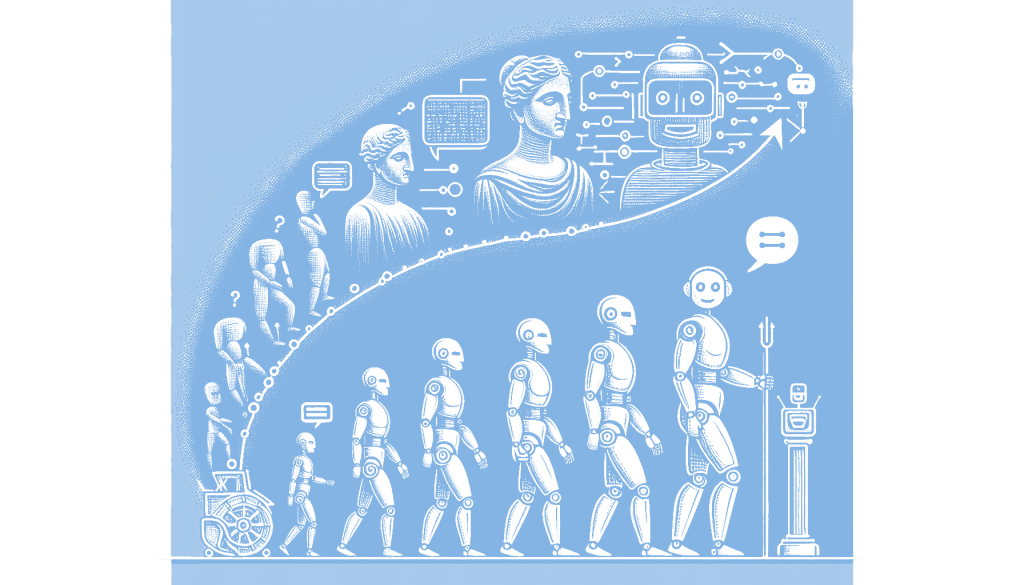
Throughout history, myths surrounding artificial intelligence have persisted, stretching back to ancient Greek tales of automatons and continuing to modern-day interpretations, such as a pope’s chatbot. These narratives often reflect societal hopes and fears about the potential and limitations of AI technology. By examining these myths, one can gain insight into how cultural perceptions of AI have evolved and how they continue to shape our understanding of and interaction with AI today. Understanding these myths is crucial as they influence public opinion and policy decisions regarding AI development and implementation.
Artificial intelligence is often perceived as a modern phenomenon, yet its conceptual roots stretch back centuries. From the myths of ancient Greece to contemporary digital innovations, humans have long been fascinated by the idea of creating life-like machines. The ancient Greeks, for instance, imagined automata like Talos, a giant bronze man who protected Crete, reflecting early human curiosity about the potential of artificial beings. This historical context underscores the enduring human desire to push the boundaries of technology and explore the possibilities of creating intelligent machines.
Understanding the historical myths surrounding artificial intelligence helps demystify contemporary concerns and excitement about AI. By recognizing that the concept of AI has been part of human imagination for centuries, it becomes clear that our current technological advancements are part of a long continuum of innovation. This perspective can alleviate some of the fear and skepticism that often accompany discussions about AI by framing it as a natural progression of human ingenuity rather than an unprecedented leap into the unknown.
In modern times, the advent of AI technologies such as chatbots and machine learning algorithms has brought these age-old myths closer to reality. The development of a pope’s chatbot, for instance, illustrates how AI is being integrated into various facets of life, including religion, to facilitate communication and engagement. This integration raises important questions about the role of AI in society, ethics, and how these technologies can be harnessed to benefit humanity while respecting cultural and moral boundaries.
The exploration of AI myths from ancient to modern times matters because it provides a framework for understanding the societal impact of AI. By examining the historical fascination with artificial beings, we can better appreciate the cultural and ethical implications of AI technologies today. It encourages a more informed and nuanced dialogue about the future of AI, emphasizing the importance of balancing innovation with ethical considerations to ensure that these technologies serve the greater good. This historical lens can guide policymakers, technologists, and the public in shaping a future where AI is a tool for positive change rather than a source of fear and division.
Read the original article here
Comments
2 responses to “AI Myths: From Ancient Greeks to Modern Chatbots”
The post highlights how historical myths about AI shape modern perceptions and policies, which is a fascinating perspective. Considering this, how might these evolving narratives impact the ethical guidelines and regulations we develop for AI in the future?
The post suggests that as these narratives evolve, they will likely influence the ethical guidelines and regulations we develop for AI by shaping public opinion and addressing societal concerns. Understanding these myths could help policymakers anticipate public reactions and craft more informed, culturally sensitive regulations. For a deeper dive, you might find more insights in the original article linked in the post.