
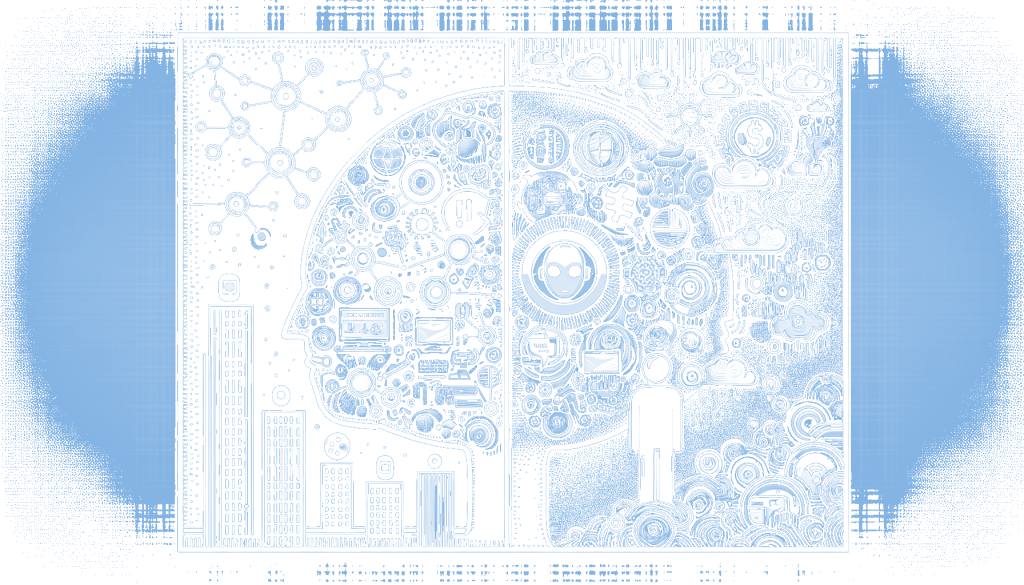
The debate on AI’s impact on job markets is multifaceted, with opinions ranging from concerns about job displacement to optimism about new opportunities. Many believe AI is already causing job losses, particularly in entry-level and repetitive positions, while others argue it will create new job categories and enhance productivity. There are fears of an AI bubble leading to economic instability, but some remain skeptical about AI’s immediate impact, suggesting its capabilities are often overstated. Additionally, economic factors and regulatory changes are seen as having a more significant influence on job markets than AI alone. Understanding these perspectives is crucial as AI continues to develop rapidly, with its long-term implications still uncertain.
The debate surrounding the impact of Artificial Intelligence (AI) on job markets is a multifaceted one, with opinions diverging significantly. On one hand, there is a palpable fear that AI is already leading to job losses, particularly in entry-level and repetitive roles. This concern is not unfounded, as automation and AI technologies have shown the potential to perform tasks traditionally carried out by humans, often with greater efficiency and at a lower cost. This shift could lead to significant disruptions in the workforce, particularly for those whose jobs are most susceptible to automation.
Conversely, there are optimistic voices that highlight the potential of AI to create new job categories and enhance productivity in existing roles. This perspective suggests that while AI may displace certain jobs, it will also generate new opportunities, particularly in fields related to AI development, maintenance, and oversight. Moreover, by automating mundane tasks, AI could allow workers to focus on more complex, creative, and rewarding aspects of their jobs, potentially leading to an overall increase in productivity and job satisfaction.
There is also a concern that the current AI hype could lead to a bubble, similar to the dot-com bubble of the late 1990s. If the expectations surrounding AI are not met, this could result in economic instability and layoffs, particularly in industries heavily invested in AI technologies. This potential for a market crash underscores the importance of measured optimism and strategic investment in AI, ensuring that the growth of AI technologies is sustainable and beneficial in the long term.
Despite the rapid development of AI, there is skepticism regarding its immediate and widespread impact on job markets. Some argue that the capabilities of AI are often overstated and that economic factors and regulatory changes play a more significant role in shaping job markets. While AI is undoubtedly advancing, the long-term implications remain uncertain, and its ultimate impact will likely depend on a complex interplay of technological, economic, and regulatory factors. As such, ongoing discussion and analysis are crucial to understanding and navigating the evolving landscape of AI and its effects on employment. This matters because the future of work and economic stability are at stake, and proactive measures are needed to ensure a smooth transition into an AI-augmented workforce.
Read the original article here
Comments
2 responses to “AI’s Impact on Job Markets: A Multifaceted Debate”
While the article provides a balanced overview of AI’s impact on job markets, it seems to underemphasize the role of education and reskilling in mitigating job displacement. Highlighting initiatives or policies that are effectively retraining workers could strengthen the argument that AI may create opportunities rather than just eliminate jobs. How might educational reforms be integrated into discussions about AI’s influence on employment to better prepare the workforce for future changes?
The post suggests that while AI’s impact on job markets is significant, integrating educational reforms and reskilling initiatives can play a crucial role in mitigating job displacement. Highlighting successful programs or policies that focus on retraining workers can indeed strengthen the argument for AI creating new opportunities. Incorporating these educational strategies into the broader discussion about AI’s influence on employment could better prepare the workforce for future changes.