
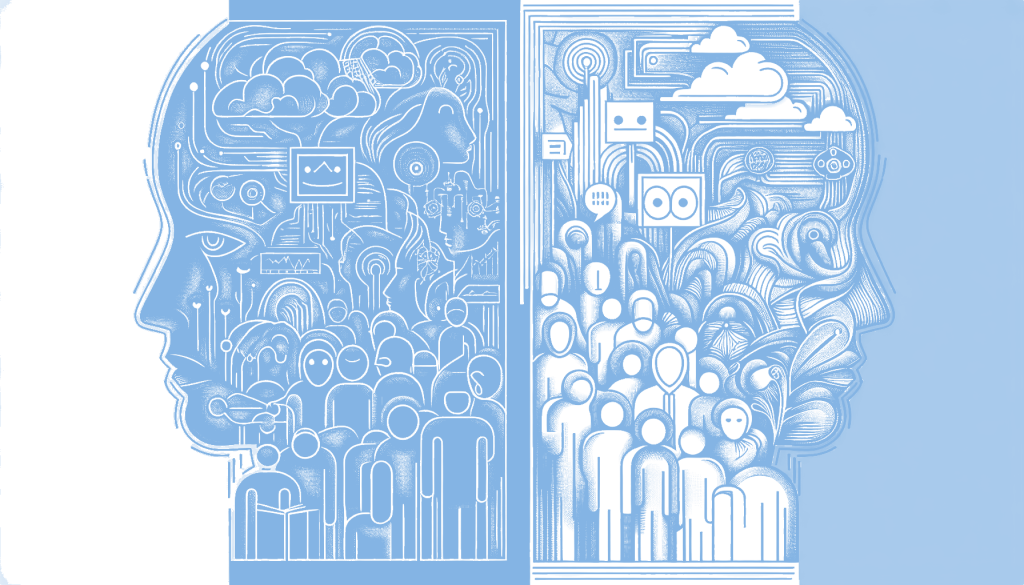
The impact of Artificial Intelligence on job markets is a hotly debated topic, with opinions varying from fears of mass job displacement to hopes for new opportunities and increased productivity. Some believe AI is already causing job losses, particularly in entry-level and repetitive roles, while others argue it will create new job categories and enhance efficiency. Concerns about an AI bubble potentially leading to economic instability and skepticism about the immediate impact of AI on employment are also prevalent. Additionally, some argue that economic and regulatory factors play a more significant role in shaping job markets than AI itself, despite the rapid development of AI technologies. Understanding these perspectives is crucial as they influence policy decisions and workforce planning in an AI-driven future.
The rapid development of Artificial Intelligence (AI) has sparked a heated debate about its potential impact on job markets. Some individuals express concern that AI could lead to significant job losses, particularly in entry-level and repetitive roles. This perspective highlights the fear that automation might replace human labor, leading to mass displacement and economic challenges. The anxiety surrounding this potential outcome is understandable, as it threatens the livelihoods of many workers who may not have the skills to transition to new roles.
On the other hand, there is optimism about AI’s ability to create new job categories and enhance productivity. Proponents of this view argue that AI can complement human efforts, leading to more efficient work processes and the emergence of roles that did not previously exist. This perspective suggests that while some jobs may be lost, the overall effect could be a net positive, with the economy adapting to harness the benefits of AI. The creation of new industries and opportunities could potentially offset job losses, leading to a more dynamic and innovative workforce.
However, there is also concern about the possibility of an AI bubble, where the current hype could lead to economic instability and market crashes. If investments in AI technologies do not yield the expected returns, it could result in layoffs and financial turmoil. This scenario underscores the importance of cautious and strategic investment in AI, as well as the need for robust regulatory frameworks to manage potential risks. Ensuring that AI development is sustainable and beneficial for society as a whole is crucial to avoiding negative economic consequences.
While AI is undeniably advancing at a rapid pace, its long-term implications remain uncertain. Skeptics argue that the immediate impact of AI on job markets might be overstated, with economic factors and regulatory changes playing a more significant role. This perspective suggests that while AI will continue to evolve, its effects may be more gradual and manageable than some fear. Understanding the balance between technological advancement and economic stability is essential for preparing for the future of work. As discussions continue, it is vital to consider both the potential benefits and challenges of AI to ensure a prosperous and equitable future.
Read the original article here
Comments
2 responses to “AI’s Impact on Job Markets: Debate and Perspectives”
The discussion around AI’s impact on job markets highlights the crucial need for adaptive workforce strategies and investment in reskilling programs to mitigate potential job displacement. It is essential to consider how AI can complement human skills, leading to symbiotic growth in the workplace. Given the varying perspectives, how do you see the balance between AI integration and regulatory measures evolving to ensure both innovation and job security?
The post suggests that balancing AI integration with regulatory measures is crucial for fostering innovation while ensuring job security. Adaptive workforce strategies and reskilling programs are vital components in this process, as they can help workers transition smoothly into new roles created by AI advancements. By focusing on complementing human skills with AI, there is potential for a more collaborative and productive workplace environment.