
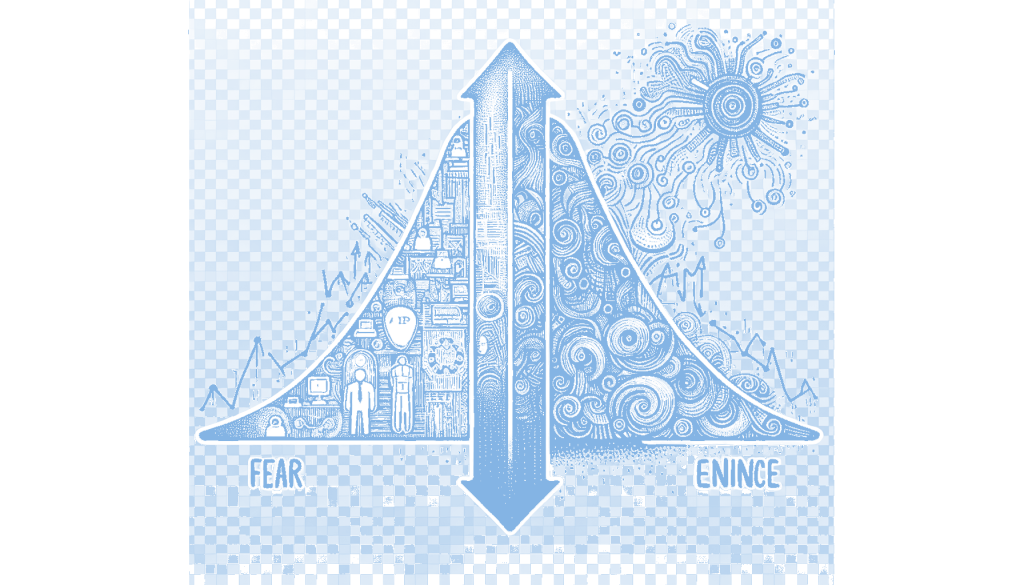
The influence of Artificial Intelligence (AI) on job markets is generating diverse opinions, with some fearing significant job displacement while others anticipate new opportunities and the augmentation of human roles. Concerns are raised about AI leading to job losses, particularly in specific sectors, yet there is optimism about AI creating new roles and necessitating workforce adaptation. Limitations and reliability issues of AI are acknowledged, suggesting it may not fully replace human jobs. Additionally, some argue that economic factors, rather than AI itself, are driving current job market changes, while the societal and cultural impacts of AI on work and human value are also being explored. This matters because understanding AI’s impact on job markets is crucial for preparing and adapting to future employment landscapes.
Artificial Intelligence (AI) continues to be a hot topic, especially regarding its impact on the job market. The conversation is polarized, with some fearing mass job displacement while others see AI as a tool for creating new opportunities. The concern about job losses is particularly pronounced in sectors where automation can easily replace human labor. However, it’s crucial to recognize that AI’s integration into the workforce may not be as straightforward as a simple replacement of jobs. Instead, it could lead to significant shifts in job roles, requiring workers to adapt and develop new skills to stay relevant.
Despite the anxiety surrounding potential job losses, there is optimism about the new opportunities AI could bring. The technology has the potential to augment human capabilities, leading to the creation of jobs that we can’t yet fully envision. This perspective suggests that while some jobs may disappear, others will emerge, potentially leading to a more dynamic and innovative job market. The key will be in how individuals and industries adapt to these changes, emphasizing the importance of continuous learning and flexibility in the workforce.
AI is not without its limitations, which may hinder its ability to fully replace human jobs. Issues such as reliability, ethical concerns, and the need for human oversight mean that AI is unlikely to completely take over the workforce. These limitations suggest that while AI can perform specific tasks efficiently, it still relies on human input and supervision to function effectively. This dependency highlights the importance of maintaining a balance between automation and human involvement, ensuring that the benefits of AI are maximized without sacrificing job quality or security.
Beyond the immediate effects on employment, AI’s impact on society and culture is also significant. The integration of AI into various aspects of life raises questions about human value and the nature of work itself. As AI continues to evolve, it will be essential to consider its broader societal implications, including how it affects human interaction and the way we perceive work. The discussion around AI’s role in the job market is not just about economics; it’s about redefining what it means to work and how we find value in our contributions to society. Engaging with these conversations is crucial for shaping a future where AI complements human efforts rather than undermines them.
Read the original article here
Comments
2 responses to “AI’s Impact on Job Markets: Opportunities and Challenges”
The post provides a balanced overview of AI’s impact on job markets, but it could benefit from a deeper examination of regional disparities in job displacement and creation. Different countries and industries might experience varying effects, and exploring these nuances could strengthen the analysis. How do you think policymakers should address the potential uneven impact of AI on job markets in different regions?
The post highlights the importance of considering regional disparities in AI’s impact on job markets. Policymakers might address these differences by tailoring strategies to local economic conditions and industry needs, such as investing in education and reskilling programs specific to affected regions. This approach could help mitigate uneven impacts and support workforce adaptation across diverse areas.