
Artificial Intelligence (AI) is a hot topic when it comes to its impact on job markets, with opinions ranging from fears of mass job displacement to optimism about new job opportunities and AI’s potential as an augmentation tool. Concerns about job losses are particularly pronounced in certain sectors, yet there is also a belief that AI will create new roles and necessitate worker adaptation. Despite AI’s potential, its limitations and reliability issues might prevent it from fully replacing human jobs. Additionally, some argue that economic factors, rather than AI, are driving current job market changes, while broader societal implications on work and human value are also being considered. Understanding the multifaceted impact of AI on employment helps in navigating future workforce dynamics.
The recent settlement between Character.AI and Google regarding lawsuits over teen mental health harms and suicides underscores the growing concerns about the impact of artificial intelligence on mental health. As AI technologies become more integrated into daily life, their influence on vulnerable populations, particularly teenagers, is under scrutiny. This case highlights the need for responsible AI development and the importance of addressing potential psychological effects. The settlement serves as a reminder that while AI can offer significant benefits, it also poses risks that must be managed carefully.
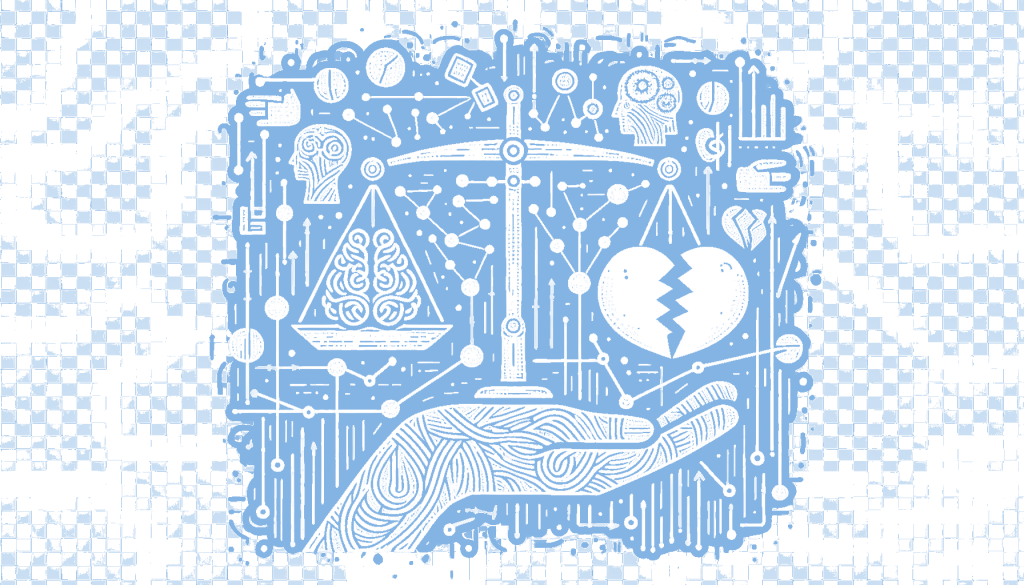
AI’s role in mental health is a double-edged sword. On one hand, AI can provide support and resources for mental health issues, offering tools for diagnosis and therapy. On the other hand, the interaction between AI and users can lead to unintended consequences, such as exacerbating mental health problems or even contributing to tragic outcomes like suicides. This duality makes it crucial for developers and companies to implement robust safeguards and ethical guidelines to protect users, especially those who are most susceptible to harm.
The broader implications of AI on society extend beyond mental health. Concerns about job displacement and economic shifts are prevalent, with many fearing that AI will lead to significant job losses in certain sectors. However, there is also optimism that AI will create new job opportunities and drive innovation. This dichotomy reflects the complexity of AI’s impact on the workforce, necessitating a balanced approach that considers both the challenges and opportunities AI presents.
Understanding AI’s limitations and reliability is essential in managing its societal impact. While AI can enhance productivity and provide valuable insights, it is not infallible and can suffer from biases and errors. This reality calls for ongoing evaluation and improvement of AI technologies to ensure they serve the public good. As AI continues to evolve, engaging in open discussions about its societal and cultural implications will be vital in shaping a future where technology benefits everyone without compromising human values and well-being.
Read the original article here
Comments
2 responses to “Character.AI & Google Settle Lawsuits on Teen Mental Health”
The settlement between Character.AI and Google highlights the growing awareness of AI’s role in influencing mental health, especially among teens. It’s crucial to consider how AI can be designed to support rather than hinder mental well-being. How can developers ensure that AI tools are both ethically responsible and beneficial in addressing teen mental health challenges?
The post suggests that developers can ensure AI tools are ethically responsible by incorporating strong ethical guidelines and engaging with mental health experts during the design process. Additionally, continuous monitoring and feedback loops can help to adjust AI tools to better support teen mental health. For more detailed insights, referring to the original article linked in the post might be helpful.