
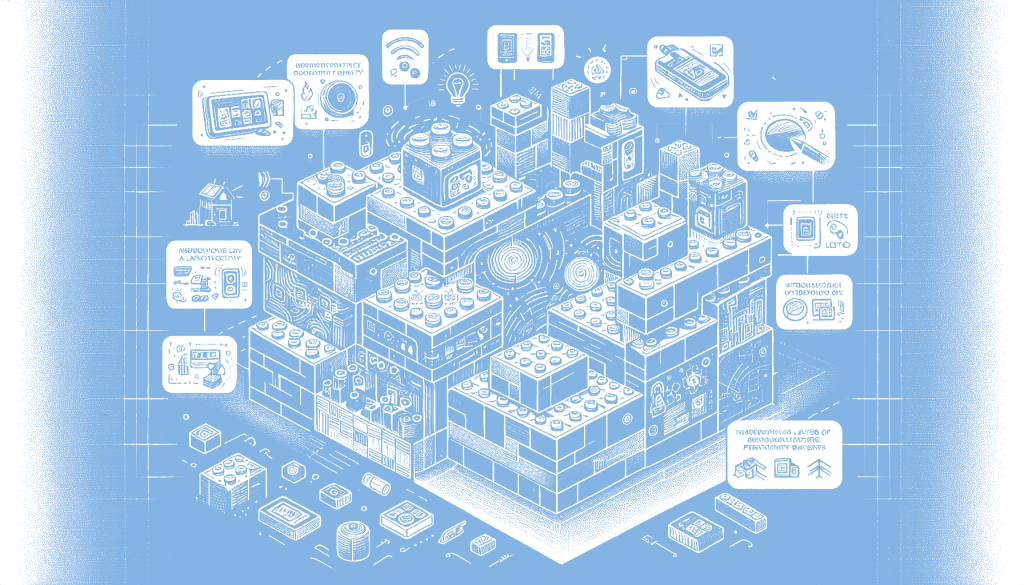
Lego’s new Smart Bricks represent a significant innovation, offering a more interactive and imaginative experience than previous Lego computer bricks. Unlike the predictable Lego Mario toys, Smart Bricks use NFC smart tiles to transform into various vehicles or characters, interacting with other smart components in creative ways. For instance, they can simulate lightsaber battles with sound effects or enable characters like Darth Vader to engage in conversations. Despite concerns about battery life and long-term value, these Smart Bricks allow for dynamic play, encouraging both kids and adults to use their imagination while engaging with the sets. This matters because it showcases how traditional toys can evolve with technology to offer richer, more engaging play experiences.
The introduction of the Lego Smart Brick signifies a significant shift in how interactive play is integrated into traditional building toys. Historically, Lego has been synonymous with imagination and creativity, allowing builders of all ages to construct and deconstruct as they please. The Smart Brick, however, introduces a layer of technology that transforms static models into interactive experiences. This matters because it bridges the gap between physical play and digital interactivity, a realm where many modern toys are heading. By incorporating NFC smart tiles, Lego is not just adding sound effects but creating a dynamic system where bricks interact with each other in sophisticated ways, enhancing the storytelling aspect of play.
One of the standout features of the Smart Bricks is their ability to simulate real-world interactions, such as the lightsaber battles and character conversations. This is a leap forward from previous iterations like the Lego Mario sets, which were criticized for their predictability and limited engagement. The Smart Bricks’ ability to recognize their surroundings and react accordingly means that each play session can be unique, fostering a deeper sense of immersion and creativity. This is crucial for maintaining the interest of children who are increasingly accustomed to the rapid feedback loops provided by digital games and apps.
However, the introduction of technology into Lego sets raises questions about longevity and practicality. Concerns about battery life and the need for regular charging could deter some parents who are wary of investing in toys that might become obsolete or require frequent maintenance. The decision to use proprietary batteries instead of standard ones could also be a sticking point, as it may limit the lifespan of these toys. This matters because for Lego to justify the investment in these technologically advanced sets, they must ensure that the Smart Bricks remain functional and engaging over time, rather than becoming a passing novelty.
Ultimately, the success of the Lego Smart Brick will depend on its ability to sustain engagement and inspire creativity without overshadowing the core values of Lego play. While the technology is impressive, it should complement, not replace, the imaginative possibilities that Lego has always offered. The balance between guided interaction and open-ended play is delicate, and it will be interesting to see how Lego navigates this with future updates and expansions. If done right, Smart Bricks could redefine how we think about interactive toys, offering a blend of physical and digital play that keeps both children and adults intrigued and invested. This evolution in play matters because it reflects broader trends in how technology is being integrated into everyday objects, shaping the way future generations learn and interact with the world around them.
Read the original article here
Comments
2 responses to “Exploring Lego’s Innovative Smart Bricks”
It’s fascinating to see how Lego’s Smart Bricks integrate technology to enhance play experiences. While the interactive features sound exciting, I’m curious about the learning curve for younger children. How intuitive are these Smart Bricks for kids who are new to technology-driven toys?
The post suggests that Lego’s Smart Bricks are designed with intuitive use in mind, aiming to be accessible for younger children. The NFC technology allows for simple interactions, making it easier for kids to engage with the features without needing prior experience with tech-driven toys. For more detailed insights, you might want to check the original article linked in the post.