
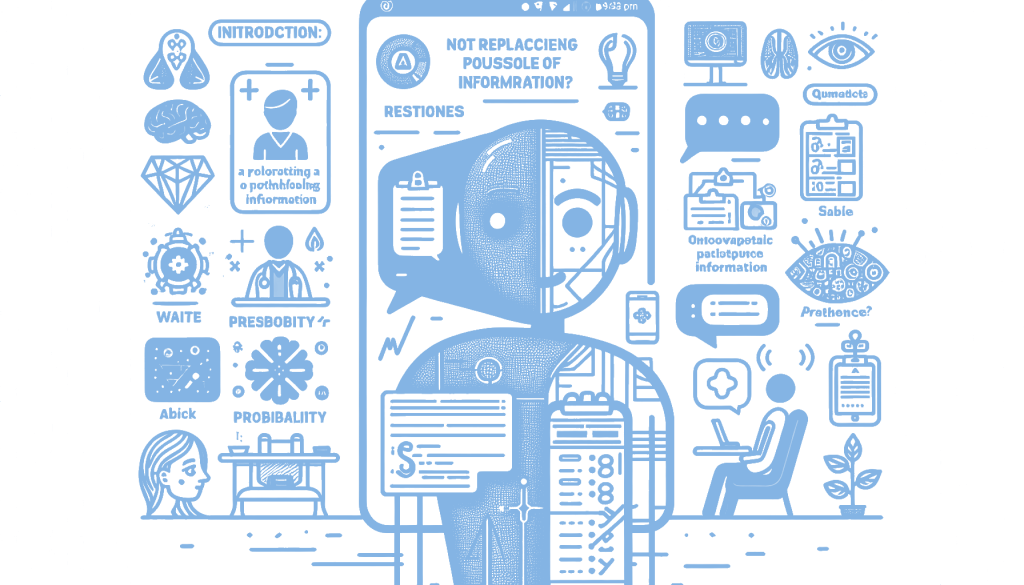
OpenAI has introduced ChatGPT Health, a specialized platform for users to discuss health-related topics with ChatGPT, addressing the significant demand as over 230 million users inquire about health weekly. This new feature segregates health discussions from other chats, ensuring privacy and context-specific interactions, and can integrate with personal health data from apps like Apple Health. While it aims to tackle healthcare issues such as cost and access barriers, the use of AI for medical advice presents challenges due to the nature of large language models, which may not always provide accurate information. OpenAI emphasizes that ChatGPT Health is not intended for diagnosing or treating health conditions, and the feature will be available soon. This matters because it highlights the increasing role of AI in healthcare, offering potential benefits and challenges in improving access and continuity of care.
OpenAI’s introduction of ChatGPT Health marks a significant step in the intersection of artificial intelligence and healthcare. With 230 million users already engaging with ChatGPT on health-related queries weekly, the demand for accessible health information is evident. By creating a dedicated space for health conversations, OpenAI aims to streamline the user experience, ensuring that sensitive health discussions are kept separate from other interactions. This separation is crucial as it maintains the privacy and context of health-related inquiries, potentially enhancing the accuracy and relevance of the information provided.
The integration of ChatGPT Health with personal wellness apps like Apple Health and MyFitnessPal could offer users a more personalized experience. By referencing past interactions and integrating with health data, the AI could provide more tailored advice, such as customized fitness plans or dietary suggestions. This personalization could be particularly beneficial for individuals seeking to manage chronic conditions or improve their overall wellness. However, it’s important to remember that while AI can offer guidance, it should not replace professional medical advice. Users must remain cautious and consult healthcare professionals for diagnosis and treatment.
Despite the potential benefits, the use of AI in healthcare raises several concerns. Large language models, including ChatGPT, generate responses based on probability rather than verified facts, which means they might not always provide accurate or reliable information. The risk of AI “hallucinations,” where the model produces incorrect or nonsensical outputs, further complicates its use in a domain as critical as healthcare. OpenAI’s disclaimer that ChatGPT is not intended for diagnosing or treating health conditions underscores the importance of using AI as a supplementary tool rather than a primary source of medical advice.
The launch of ChatGPT Health reflects a broader trend of leveraging technology to address challenges in the healthcare system, such as accessibility and continuity of care. By offering an easily accessible platform for health inquiries, OpenAI could help alleviate some of the burdens faced by overbooked healthcare providers. However, the ethical implications and potential risks associated with AI-driven health advice must be carefully managed. As this technology evolves, ongoing evaluation and regulation will be essential to ensure that it serves as a beneficial complement to traditional healthcare services, rather than a misleading or harmful substitute.
Read the original article here
Comments
2 responses to “OpenAI Launches ChatGPT Health for Medical Queries”
The introduction of ChatGPT Health is a promising development for those seeking accessible health information, especially with its ability to integrate personal health data. However, the emphasis on it not being a tool for diagnosis is crucial. How does OpenAI plan to ensure that users can differentiate between reliable information and potential inaccuracies in medical advice?
The post suggests that OpenAI is focusing on transparency by clearly stating that ChatGPT Health is not a diagnostic tool. To help users differentiate between reliable information and potential inaccuracies, the platform may include disclaimers and encourage users to consult healthcare professionals for medical advice. For more detailed insights, please refer to the original article linked in the post.