
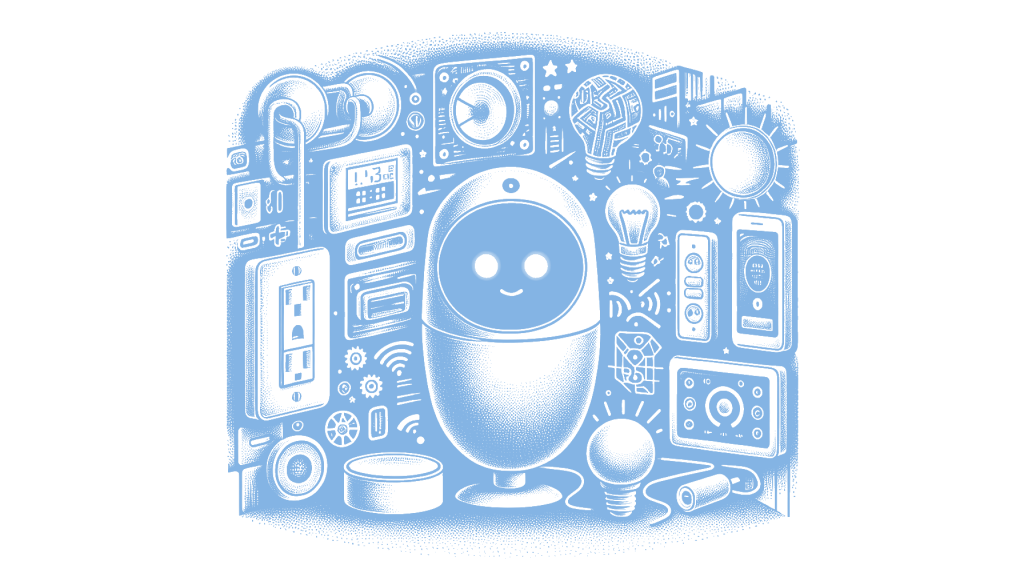
Samsung’s anticipated home robot, Ballie, which was expected to be released in the summer of 2025, has been indefinitely shelved as of 2026. Initially promised to offer features like conversational interactions and smart home management, Ballie has become an internal innovation platform rather than a consumer product. Samsung’s decision to delay the release may be due to concerns about the robot’s reliability and market interest, as well as a strategic shift towards integrating Ballie’s features into other products. This reflects a broader industry trend where companies are reassessing the viability and consumer demand for AI-driven home robots.
Samsung’s ambitious Ballie home robot, initially heralded as a groundbreaking innovation for smart home management, has faced a significant setback. Originally slated for a summer 2025 release, Ballie has now been indefinitely shelved, according to recent reports. This decision marks a departure from earlier promises of a consumer-ready device capable of performing a variety of tasks, such as adjusting lighting, greeting guests, and managing schedules. The shift from a consumer product to an “active innovation platform” for internal use suggests that Samsung is re-evaluating the feasibility and market readiness of Ballie.
The delay and potential cancellation of Ballie highlight the broader challenges faced by tech companies in the realm of home robotics and AI. As the industry grapples with the complexities of creating reliable, user-friendly, and affordable AI-driven devices, Samsung’s decision reflects a cautious approach to ensuring product viability. The company’s focus on using Ballie as a tool for internal development rather than a consumer gadget underscores the ongoing need for innovation in areas like smart home intelligence and privacy-by-design. This pivot may allow Samsung to refine its technology and integrate successful elements into other products.
Samsung’s move also aligns with a wider industry trend of reassessing the role of AI in consumer electronics. With many companies rethinking their strategies around AI-powered devices, the emphasis is increasingly on delivering practical, dependable solutions rather than rushing to market with unproven technology. The potential high cost of Ballie and the uncertainty surrounding its ability to deliver on promised features could have influenced Samsung’s decision. By extracting valuable insights and features from Ballie for use in other products, Samsung may be positioning itself to better meet consumer expectations and technological advancements.
This development matters because it reflects the evolving landscape of AI and robotics in everyday life. As consumers become more discerning about the technology they invite into their homes, companies must balance innovation with practicality and reliability. Samsung’s cautious approach with Ballie serves as a reminder of the complexities involved in bringing advanced AI products to market. It also highlights the importance of continuous research and development to ensure that emerging technologies can meet the demands of modern consumers while safeguarding privacy and enhancing user experience. The future of home robotics will likely depend on such thoughtful integration and adaptation of AI capabilities.
Read the original article here
Comments
2 responses to “Samsung’s Ballie Robot Shelved Indefinitely”
Considering Samsung’s shift towards integrating Ballie’s features into other products, how might this decision influence the development and consumer perception of AI-driven home technology in the coming years?
Integrating Ballie’s features into other products could accelerate the adoption of AI-driven home technology by making these capabilities more accessible and familiar to consumers. This approach may enhance consumer perception by demonstrating practical applications and reliability in existing devices. It aligns with the broader industry trend of embedding AI into multifunctional products, potentially increasing consumer trust and interest in AI technologies.