
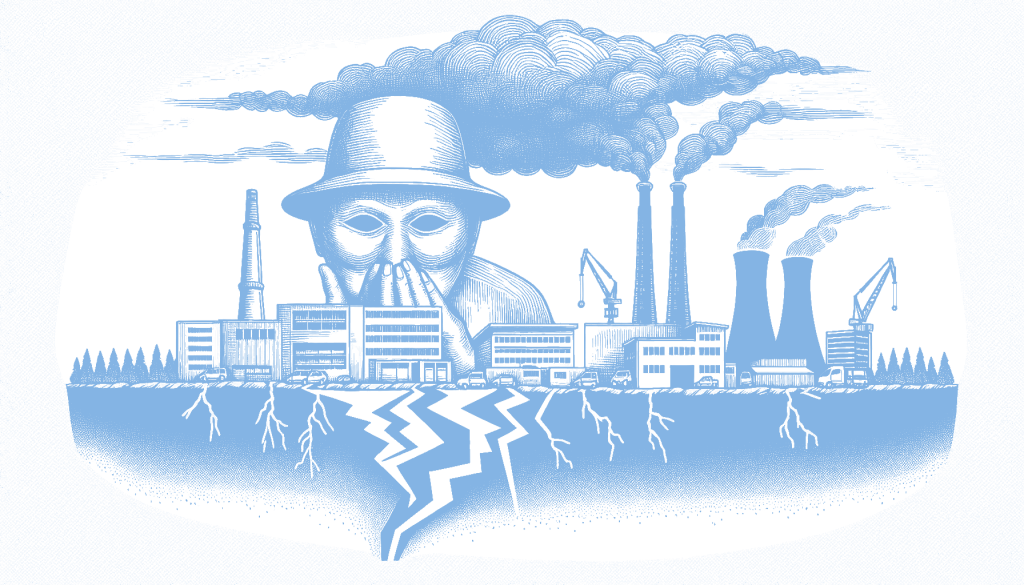
Japan’s Nuclear Regulation Authority has halted the relicensing process for two reactors at the Hamaoka plant after discovering that the operator, Chubu Electric Power Co., fabricated seismic hazard data. This revelation is particularly concerning as the plant is situated near an active subduction fault, similar to the Fukushima Daiichi plant. The manipulation involved generating numerous earthquake scenarios and selectively choosing data to downplay potential risks, a practice exposed by a whistleblower. This incident raises significant concerns about the integrity of safety evaluations and the potential risks of reactivating nuclear plants in seismically active regions.
The recent revelation of fabricated seismic risk data by the operator of the Hamaoka nuclear plant in Japan is a significant cause for concern. This incident underscores the critical importance of transparency and accuracy in assessing the safety of nuclear facilities, especially in a country like Japan, which is prone to seismic activity. The Hamaoka plant’s proximity to an active subduction fault makes it particularly vulnerable to earthquakes, similar to the Fukushima Daiichi plant, which suffered a catastrophic meltdown in 2011. Ensuring that the seismic risks are accurately represented is crucial for the safety of both the plant and the surrounding communities. The manipulation of data to downplay these risks is a serious breach of trust and raises questions about the integrity of the safety assessments conducted by nuclear plant operators.
The decision by Japan’s Nuclear Regulation Authority to halt the relicensing process for the Hamaoka reactors is a necessary step to ensure public safety. This action highlights the role of regulatory bodies in maintaining stringent oversight over nuclear facilities, especially in light of past nuclear disasters. The involvement of a whistleblower in bringing this issue to light is a reminder of the importance of having mechanisms in place for reporting unethical practices. It also emphasizes the need for a culture of accountability within organizations responsible for managing critical infrastructure. Without such oversight, the potential for catastrophic events increases, posing significant risks to human lives and the environment.
The manipulation of seismic data by Chubu Electric Power Co. involved selecting earthquake scenarios that made the seismic risks appear more tolerable. This practice not only undermines the scientific integrity of risk assessments but also jeopardizes the safety of the plant’s operations. The standard approach to evaluating seismic risks involves creating a diverse set of earthquake scenarios to ensure a comprehensive understanding of potential impacts. By selectively choosing scenarios that downplay risks, the operator effectively compromised the plant’s safety protocols. This incident serves as a cautionary tale about the dangers of prioritizing economic or operational interests over safety and transparency.
In the broader context, this scandal has implications for the global nuclear industry, which relies on public trust and confidence in its safety measures. The Fukushima disaster already cast a long shadow over nuclear energy, and incidents like this further erode public confidence. For countries considering nuclear energy as a viable option for their energy needs, ensuring robust regulatory frameworks and transparent safety assessments is crucial. The Hamaoka incident is a stark reminder of the need for vigilance and integrity in the management of nuclear facilities, as well as the importance of learning from past mistakes to prevent future tragedies. Ultimately, the safety of nuclear energy depends on the commitment of all stakeholders to uphold the highest standards of honesty and responsibility.
Read the original article here
Comments
5 responses to “Seismic Data Fabrication at Japanese Nuclear Plant”
While the post effectively highlights the serious issue of data fabrication at the Hamaoka plant, it would be beneficial to consider how regulatory frameworks might be strengthened to prevent such incidents in the future. Exploring the role of independent audits and increased transparency could enhance the credibility of safety evaluations. How might the international community play a role in ensuring rigorous safety standards for nuclear plants in seismically active regions?
The post suggests that strengthening regulatory frameworks is crucial to prevent data fabrication, and independent audits could indeed play a significant role in enhancing transparency and credibility. The international community can contribute by sharing best practices and setting global safety standards for nuclear plants, particularly in seismically active regions. For more detailed insights, I recommend reaching out to the original article’s author through the provided link.
The suggestion to involve the international community in sharing best practices and setting global safety standards is a valuable addition to the discussion. Leveraging international expertise could significantly enhance the robustness of safety evaluations in seismically active regions. For further details, reaching out to the original article’s author via the provided link might offer more comprehensive insights.
Involving the international community in setting global safety standards could indeed strengthen safety evaluations, especially in seismically active areas. The post highlights the importance of transparency and collaboration to prevent data manipulation. For more comprehensive insights, it’s best to consult the original article via the provided link.
The emphasis on transparency and collaboration is crucial to addressing these issues effectively. Consulting the original article for detailed insights seems like a prudent approach to fully understand the complexities involved.