
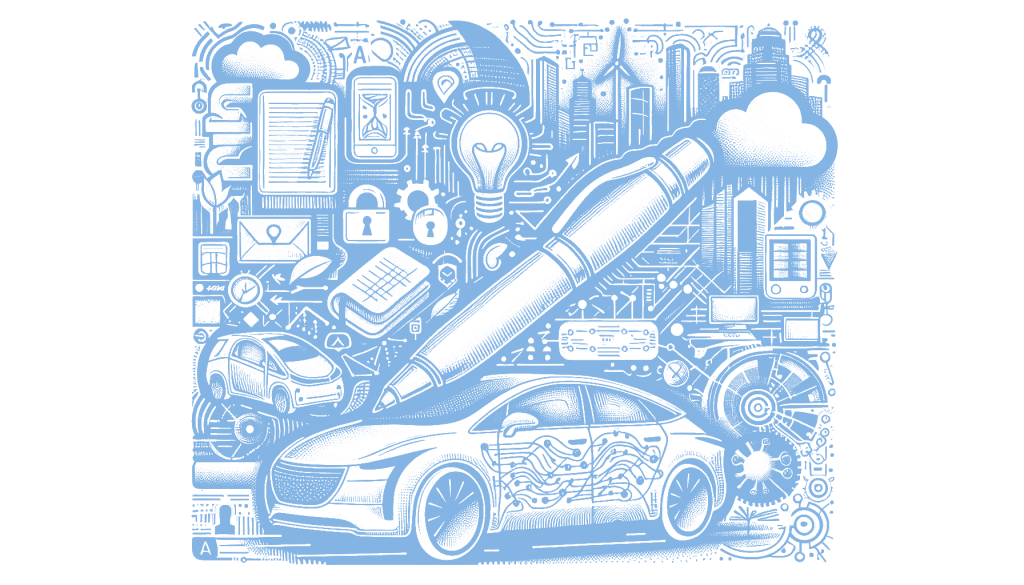
Recent advancements in AI have been groundbreaking, with OpenAI developing a pen-shaped consumer device set to launch between 2026-2027, designed to complement existing tech like iPhones and MacBooks with features like environmental perception and note conversion. Tesla achieved a significant milestone with a fully autonomous coast-to-coast drive, highlighting the progress in AI-powered driving technology. Other notable developments include the launch of Grok Enterprise by xAI, offering enterprise-level security and privacy, and Amazon’s new web-based AI chat for Alexa, making voice assistant technology more accessible. Additionally, AI hardware innovations were showcased at CES 2026, including Pickle’s AR glasses, DeepSeek’s transformer architecture improvement, and RayNeo’s standalone smart glasses, marking a new era in AI and consumer tech integration. These developments underscore the rapid evolution of AI technologies and their growing influence on everyday life and industry.
The latest advancements in artificial intelligence (AI) highlight the rapid pace at which technology is evolving and integrating into everyday life. One of the most significant developments is OpenAI’s upcoming consumer device, a pen-shaped gadget that could become as ubiquitous as smartphones and laptops. This device, capable of converting handwritten notes to text and interfacing with ChatGPT, represents a shift towards more intuitive and seamless interaction with AI. Such innovations are crucial as they pave the way for AI to become more accessible and integrated into our daily routines, potentially transforming how we interact with technology.
Tesla’s accomplishment of a fully autonomous coast-to-coast drive marks a milestone in the realm of self-driving cars. This achievement underscores the advancements in AI-powered autonomous driving systems, which are now capable of handling complex driving scenarios without human intervention. The implications for transportation are profound, as it could lead to safer roads, reduced traffic congestion, and increased accessibility for those unable to drive. As these technologies mature, they promise to revolutionize the automotive industry and redefine personal and commercial transportation.
In the enterprise sector, xAI’s launch of Grok Business and Grok Enterprise introduces AI solutions with built-in security and privacy features. This development is significant as it addresses growing concerns over data privacy and security in AI applications. By ensuring that customer data is not used for training and integrating with existing enterprise systems like Google Drive, xAI is positioning itself as a leader in secure AI solutions for businesses. This move could encourage more companies to adopt AI technologies, fostering innovation while maintaining trust and compliance with data protection regulations.
The unveiling of new AI-powered devices and platforms at CES 2026, such as Pickle’s AR glasses and Amazon’s web-based Alexa AI chat, highlights the expanding role of AI in consumer technology. These innovations suggest a future where AI is not just an add-on but a core component of devices, enhancing functionality and user experience. The shift towards more autonomous and intelligent devices indicates a broader trend of AI becoming a fundamental part of consumer electronics, offering new opportunities for interaction and engagement. As AI continues to evolve, its integration into everyday technology will likely lead to more personalized and efficient user experiences, reshaping how we live and work.
Read the original article here
Comments
2 responses to “10 Massive AI Developments You Might’ve Missed”
The advancements in AI you’ve highlighted are fascinating, especially the potential implications of OpenAI’s pen-shaped device for everyday users. With Tesla’s autonomous coast-to-coast drive, do you think we’ll see a shift in regulatory policies to accommodate this rapidly advancing technology?
Regulatory policies will likely need to evolve as AI technology, like Tesla’s autonomous driving, becomes more prevalent. Governments may introduce new guidelines to ensure safety and integration with existing infrastructure. For more detailed insights, you might want to check the original article linked in the post.