
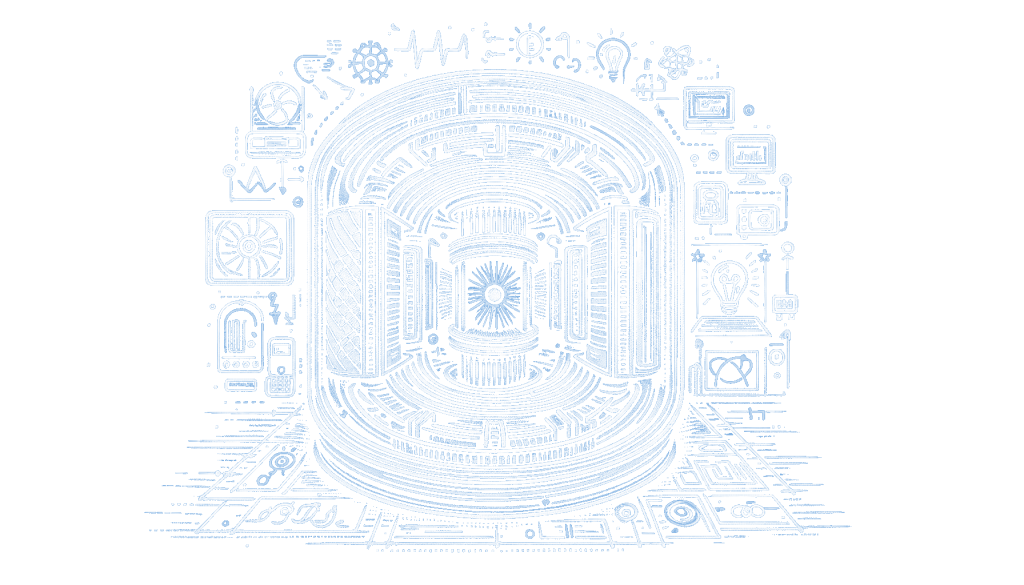
Commonwealth Fusion Systems (CFS) has installed the first magnet in its Sparc fusion reactor, marking a significant step towards achieving fusion power. The reactor’s 18 magnets will form a doughnut-like shape to confine superheated plasma, aiming to produce more energy than consumed. CFS is collaborating with Nvidia and Siemens to create a digital twin of the reactor, allowing for real-time simulations to optimize performance. With nearly $3 billion raised, including substantial investments from tech giants, CFS is racing to bring fusion power to the grid, potentially revolutionizing clean energy production. This matters because successful fusion power could provide a nearly limitless and clean energy source, transforming global energy systems.
The installation of the first magnet in the Sparc fusion reactor by Commonwealth Fusion Systems (CFS) marks a significant milestone in the pursuit of nuclear fusion as a viable energy source. Fusion power, often described as the “holy grail” of energy, promises nearly limitless clean energy by mimicking the processes that power the sun. The successful implementation of this technology could revolutionize the energy sector, providing a sustainable and environmentally friendly alternative to fossil fuels. CFS’s progress, highlighted by the installation of these powerful magnets, indicates that the dream of fusion energy might soon become a reality.
The use of advanced technology in the development of the Sparc reactor is noteworthy. CFS’s collaboration with Nvidia and Siemens to create a digital twin of the reactor is a strategic move that leverages cutting-edge simulation and AI technologies. This digital twin will allow CFS to conduct experiments and refine parameters in a virtual environment before applying changes to the physical reactor. Such an approach not only enhances the efficiency of the development process but also reduces the risk of costly errors, potentially accelerating the timeline for bringing fusion power to the grid.
Fusion energy’s potential impact extends beyond just providing an alternative energy source. It could significantly reduce global carbon emissions and reliance on non-renewable resources, addressing some of the most pressing environmental challenges of our time. The ability to generate large amounts of energy from a small amount of fuel, without the long-lived radioactive waste associated with nuclear fission, positions fusion as a cornerstone of future energy strategies. As CFS and its competitors race to achieve this breakthrough, the world watches with anticipation for a cleaner, more sustainable energy future.
The financial backing and partnerships that CFS has secured underscore the high stakes and immense potential of fusion energy. With nearly $3 billion raised, including substantial investments from tech giants like Nvidia and Google, there is a clear recognition of the transformative potential of fusion power. The urgency expressed by CFS’s leadership to bring fusion energy to the grid reflects a broader understanding of the critical role that this technology could play in addressing global energy demands and climate change. As advancements continue, the hope is that fusion will not only meet but exceed expectations, paving the way for a new era of energy production.
Read the original article here
Comments
2 responses to “CFS Installs First Magnet in Sparc Fusion Reactor”
The installation of the first magnet in the Sparc fusion reactor is a pivotal milestone in the race toward achieving sustainable fusion energy. The collaboration with Nvidia and Siemens to create a digital twin will likely enhance the precision of performance optimizations. Given the substantial investment and technological partnerships, how does CFS plan to address potential challenges in scaling this technology for widespread grid integration?
The post suggests that CFS plans to leverage its partnerships and investment to tackle scaling challenges by using advanced simulations and real-time data optimization through the digital twin technology. This approach could help identify and address potential issues in grid integration efficiently. For more detailed insights, you might want to check the original article linked in the post.