
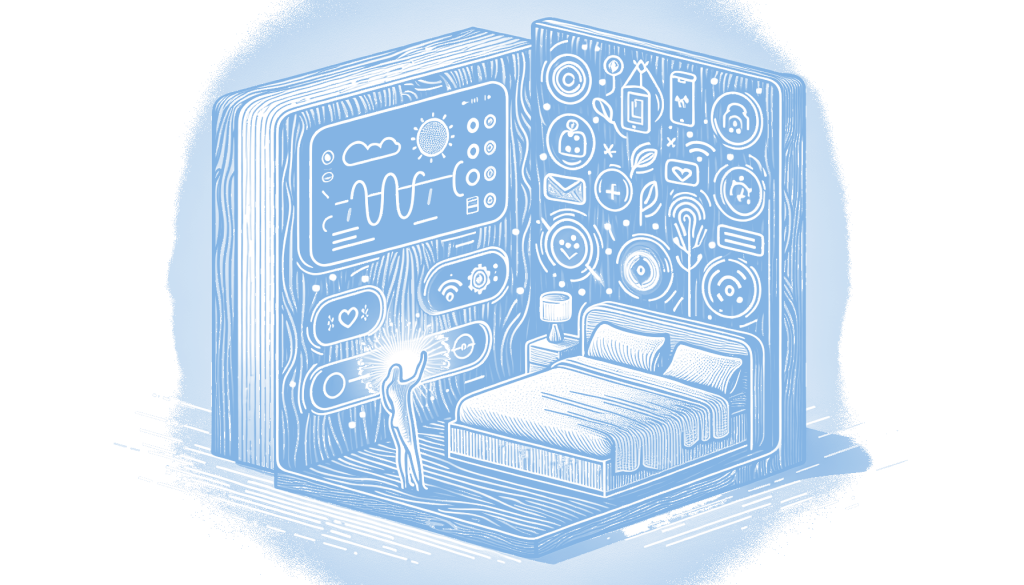
The Mui Board Gen 2 is a smart home controller designed to blend seamlessly into the bedroom environment, featuring a soothing wooden design that uses millimeter-wave sensors for sleep tracking and gesture control. The Mui Calm Sleep Platform can monitor sleep states by detecting changes in posture and breathing without the need for wearable devices, and it aims to enhance sleep quality by adjusting lighting and offering presleep stretching routines. While the accuracy of this technology is still under scrutiny, the platform also promises to respond to vocal cues of tiredness or stress and encourage rest. Gesture control will also be available, allowing users to interact with the device from a distance, with these features expected to be released later this year. This matters because it represents a shift towards more integrated and less intrusive smart home technologies that prioritize user comfort and well-being.
The Mui Board Gen 2 introduces an innovative approach to smart home controllers by integrating mmWave technology for sleep tracking and gesture control. Unlike traditional smart devices with glaring screens, the Mui Board is a subtle piece of wood that glows softly, making it an ideal addition to a bedroom setting. This design choice reflects a broader trend in smart home technology, where the focus is shifting from overtly technological gadgets to more aesthetically pleasing and unobtrusive designs. The Mui Board’s ability to blend into the home environment while offering advanced functionality is a significant step forward in making technology more harmonious with everyday life.
One of the standout features of the Mui Board is its use of millimeter-wave sensors to track sleep without the need for wearable devices. This technology measures changes in posture and breathing through radar, offering a non-intrusive alternative to sleep tracking. While the accuracy of this method compared to traditional EEG wearables is still under scrutiny, the potential for a comfortable and hassle-free sleep monitoring experience is compelling. This matters because it addresses a common issue with sleep technology: the discomfort and inconvenience of wearing devices to bed, which can itself disrupt sleep.
Beyond sleep tracking, the Mui Board’s ability to adjust lighting and guide users through presleep routines represents a holistic approach to improving sleep quality. By focusing on creating a calming environment rather than overwhelming users with data, it aligns with the growing understanding that sleep health is not just about metrics but also about creating the right conditions for rest. The Mui Board’s potential to detect stress and fatigue through voice analysis and respond with appropriate interventions is particularly intriguing, as it suggests a future where smart home devices can proactively contribute to mental and emotional well-being.
Gesture control through mmWave sensors adds another layer of convenience, allowing users to interact with the Mui Board from a distance. This feature could simplify common tasks like dismissing alarms or adjusting settings without physical contact, enhancing the user experience. As this technology rolls out later in the year, it highlights the ongoing evolution of smart home devices towards more intuitive and user-friendly interactions. The Mui Board’s blend of design, functionality, and advanced technology positions it as a promising player in the smart home market, offering a glimpse into the future of how we might seamlessly integrate technology into our living spaces.
Read the original article here
Comments
2 responses to “Mui Board Gen 2: Sleep Tracking & Gesture Control”
The Mui Board Gen 2’s integration of sleep tracking and gesture control into a minimalist design is intriguing, especially with its promise to enhance sleep quality through non-invasive means. Considering the importance of accuracy in sleep monitoring, what steps are being taken to validate the effectiveness of its millimeter-wave sensors compared to traditional wearable devices?
The post suggests that the Mui Board Gen 2 is exploring validation of its millimeter-wave sensors by comparing their performance to traditional wearable devices. However, for detailed information on the specific validation methods, it’s best to refer to the original article linked in the post or contact the author directly.