
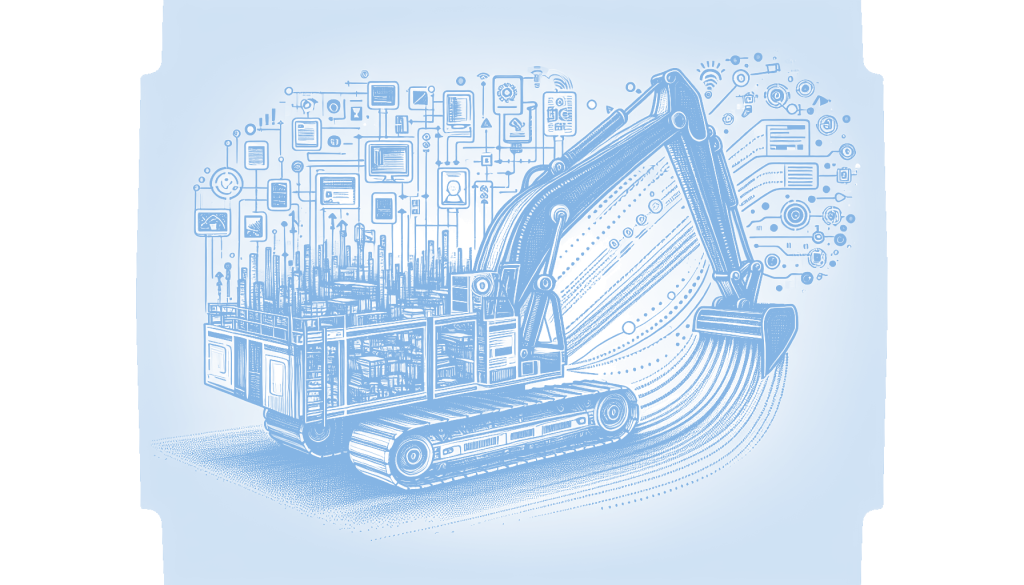
Caterpillar is advancing its construction machinery by integrating AI and automation through a collaboration with Nvidia. The company is piloting an AI assistive system, called “Cat AI,” in its Cat 306 CR Mini Excavator, utilizing Nvidia’s Jetson Thor AI platform. This system aids machine operators by answering questions, providing resources, offering safety tips, and scheduling services, while also collecting valuable data for simulations and operational insights. Additionally, Caterpillar is exploring digital twins of construction sites using Nvidia’s Omniverse to enhance project planning and material estimation, marking a significant step towards increased automation in their machinery lineup. This matters because it represents a significant shift towards smarter, more efficient construction processes, enhancing productivity and safety in the industry.
Caterpillar’s collaboration with Nvidia marks a significant step in the integration of artificial intelligence within the construction industry. By embedding AI into its machinery, Caterpillar is not only enhancing the capabilities of its equipment but also transforming the way construction projects are managed and executed. The introduction of “Cat AI” into the Cat 306 CR Mini Excavator exemplifies how AI can assist operators by providing real-time insights, safety tips, and resource management. This development is crucial as it allows operators to make informed decisions on-site, improving efficiency and safety without the need for constant connectivity to traditional computing devices.
The partnership with Nvidia also highlights the importance of data in modern construction practices. With Caterpillar’s machines capable of sending thousands of messages per second, the data collected can be used to create digital twins of construction sites. These simulations, powered by Nvidia’s Omniverse library, enable precise planning and resource allocation, ultimately leading to cost savings and reduced environmental impact. By leveraging AI for predictive analytics and scenario testing, construction companies can optimize their operations and reduce the likelihood of costly mistakes or delays.
Beyond its immediate applications, this collaboration underscores a broader trend of legacy industries embracing cutting-edge technology to stay competitive. Nvidia’s focus on physical AI, which involves deploying AI models into physical systems like construction machinery, represents a shift towards more integrated and intelligent industrial operations. This approach not only enhances the functionality of the machines but also aligns with the growing demand for automation in various sectors, including mining and construction, where Caterpillar already has a strong foothold with its autonomous vehicles.
The implications of this partnership extend beyond Caterpillar and Nvidia. As AI continues to evolve, its integration into physical systems could redefine industries traditionally resistant to technological change. By spearheading this movement, Nvidia is positioning itself as a leader in physical AI, a field that promises to revolutionize how machines interact with the physical world. This matters because it signifies a new era where AI is not just a tool for data analysis but a fundamental component of the machinery that builds our infrastructure, potentially leading to safer, more efficient, and more sustainable construction practices worldwide.
Read the original article here
Comments
2 responses to “Caterpillar and Nvidia Bring AI to Construction”
Integrating AI into construction machinery like the Cat 306 CR Mini Excavator is a game-changer for operational efficiency and safety. Utilizing Nvidia’s Jetson Thor platform to provide real-time assistance and data collection is a smart move that could significantly reduce downtime and enhance productivity. The use of digital twins for project planning opens up new possibilities for precise resource management. How does Caterpillar plan to address potential cybersecurity risks associated with the increased connectivity of their machinery?
The post suggests that addressing potential cybersecurity risks is a crucial consideration for Caterpillar as they integrate AI into their machinery. While specific strategies aren’t detailed, it’s reasonable to expect that robust cybersecurity measures would be a priority to protect the increased connectivity of their equipment. For more detailed insights, please refer to the original article linked in the post.