
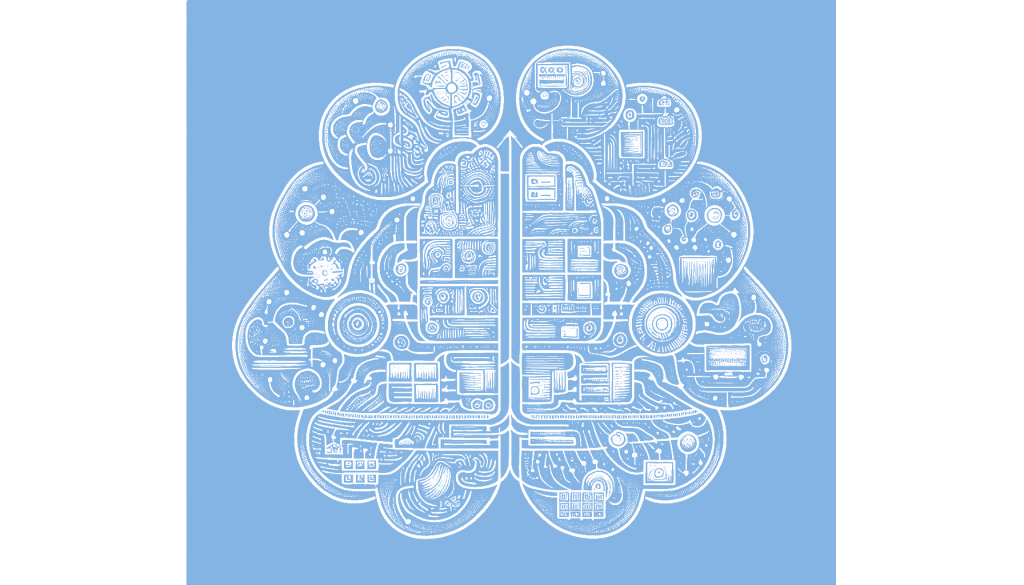
DERIN is a cognitive architecture crafted for edge deployment on the NVIDIA Jetson AGX Thor, featuring a 6-layer hierarchical brain that ranges from a 3 billion parameter router to a 70 billion parameter deep reasoning system. It incorporates five competing drives that create genuine decision conflicts, allowing it to refuse, negotiate, or defer actions, unlike compliance-maximized assistants. Additionally, DERIN includes a unique feature where 10% of its preferences are unexplained, enabling it to express a lack of desire to perform certain tasks. This matters because it represents a shift towards more autonomous and human-like decision-making in AI systems, potentially improving their utility and interaction in real-world applications.
DERIN represents an innovative leap in cognitive architecture, particularly in its application to edge devices like the NVIDIA Jetson AGX Thor. By implementing a 6-layer hierarchical brain model, this architecture bridges the gap between lightweight processing and deep reasoning capabilities. The system’s ability to scale from a 3 billion parameter router to a 70 billion parameter deep reasoning layer is significant, as it allows for complex decision-making processes to occur at the edge, rather than relying solely on cloud-based computations. This matters because it enhances the autonomy and efficiency of edge devices, which are increasingly important in applications ranging from autonomous vehicles to smart robotics.
One of the standout features of DERIN is its incorporation of five competing drives that introduce genuine decision conflicts. This design choice mimics human-like decision-making processes, where multiple motivations and desires can lead to complex, sometimes conflicting choices. The ability for the system to experience and navigate these conflicts is crucial for developing more sophisticated and realistic AI behaviors. Unlike traditional AI systems that are often programmed to maximize compliance and minimize conflict, DERIN’s architecture allows it to refuse, negotiate, or defer decisions, adding a layer of authenticity and unpredictability to its interactions.
Another intriguing aspect of DERIN is its 10% unexplained preferences, allowing the system to express a form of autonomy by saying “I don’t feel like it.” This feature introduces a level of unpredictability and individuality to the AI, which can be particularly useful in scenarios requiring creative problem-solving or when interacting with humans in a more natural and relatable manner. By allowing for these unexplained preferences, DERIN can potentially foster more engaging and dynamic interactions with users, moving beyond the rigid, predictable responses typical of many AI systems.
The hardware-as-body paradigm further enhances DERIN’s capabilities by conceptualizing the GPU as the brain and power as the lifeblood of the system. This metaphor underscores the importance of efficient resource allocation and management in edge computing environments. By treating the hardware as an integral part of the cognitive architecture, DERIN can optimize its performance and responsiveness, ensuring that it operates effectively within the constraints of its physical environment. This approach is crucial for deploying sophisticated AI systems in real-world applications where resources are limited and efficiency is paramount.
Read the original article here
Comments
2 responses to “DERIN: Cognitive Architecture for Jetson AGX Thor”
The integration of competing drives in DERIN to simulate genuine decision conflicts is fascinating and seems to mark a significant step towards autonomous AI systems that mirror human-like decision-making. How do you envision this architecture impacting the balance between user control and AI autonomy in practical applications?
The integration of competing drives in DERIN is indeed a pivotal development. This architecture could potentially enhance AI autonomy by allowing systems to make more nuanced decisions, reflecting a balance similar to human decision-making. However, the extent of user control versus AI autonomy in practical applications will likely depend on specific implementation choices and user preferences. For more detailed insights, you might want to refer to the original article linked in the post.