
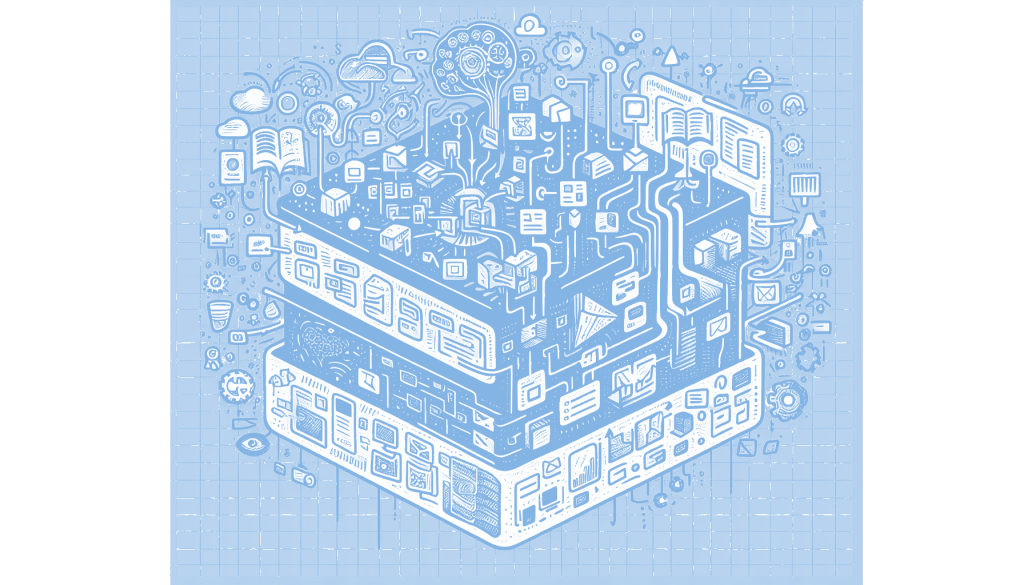
memU is an open-source memory framework designed for large language models (LLMs) and AI agents that deviates from traditional embedding-based memory systems. Instead of relying solely on embedding searches, memU allows models to read actual memory files directly, leveraging their ability to comprehend structured text. The framework is structured into three layers: a resource layer for raw data, a memory item layer for fine-grained facts and events, and a memory category layer for themed memory files. This system is adaptable, lightweight, and supports various data types, with a unique feature where memory structure self-evolves based on usage, promoting frequently accessed data and fading out less-used information. This matters because it offers a more dynamic and efficient way to manage memory in AI systems, potentially improving their performance and adaptability.
The development of memU, an open-source memory framework for LLMs and AI agents, introduces a novel approach to handling memory that diverges from the traditional reliance on embedding searches. Embedding searches typically store data as vectors and use similarity lookups to retrieve relevant context. While effective for simple tasks, this method struggles with more complex relationships, sequences, and temporal data. By allowing models to read actual memory files directly, memU leverages the inherent capability of language models to process structured text, offering a more intuitive and potentially more effective way to handle complex data relationships.
memU’s architecture is structured into three distinct layers: the Resource layer, which includes raw data like text, images, audio, and video; the Memory item layer, which consists of extracted fine-grained facts and events; and the Memory category layer, which organizes themed memory files that the model can access directly. This layered approach not only simplifies the retrieval process but also enhances the model’s ability to understand and utilize complex data structures. The framework’s ability to handle various data types, including multimedia, further broadens its applicability across different AI applications.
A particularly innovative feature of memU is its self-evolving memory structure. This dynamic organization means that frequently accessed information is promoted, while less relevant data gradually fades out. Such a mechanism reduces the need for manual pruning and ensures that the memory remains relevant and efficient over time. This usage-based reorganization aligns with natural cognitive processes, where frequently used information becomes more readily accessible, making the system both efficient and intuitive.
The open-source nature of memU encourages collaboration and feedback from the AI community, which is crucial for its continued development and refinement. By providing both a self-hosted and a hosted version, it caters to a wide range of users, from individual developers to larger organizations. This flexibility, combined with its innovative approach to memory management, positions memU as a significant advancement in the field of AI memory systems. Its potential to improve the accuracy and efficiency of AI agents in handling complex data relationships underscores its importance in the ongoing evolution of AI technologies.
Read the original article here
Comments
2 responses to “Introducing memU: A Non-Embedding Memory Framework”
memU’s approach of allowing language models to directly access and comprehend structured text in memory files is a promising shift from traditional embedding systems. The three-layered structure provides a clear framework for organizing and evolving the memory based on actual usage, potentially enhancing the efficiency of AI agents. How does memU handle conflicts or inconsistencies that might arise when different data sources provide contradictory information?
The post suggests that memU addresses conflicts or inconsistencies by leveraging its structured memory layers to prioritize data based on context and reliability. The framework is designed to evolve with usage patterns, potentially allowing AI agents to refine their understanding and resolve discrepancies over time. For more detailed insights, consider checking the original article linked in the post.